



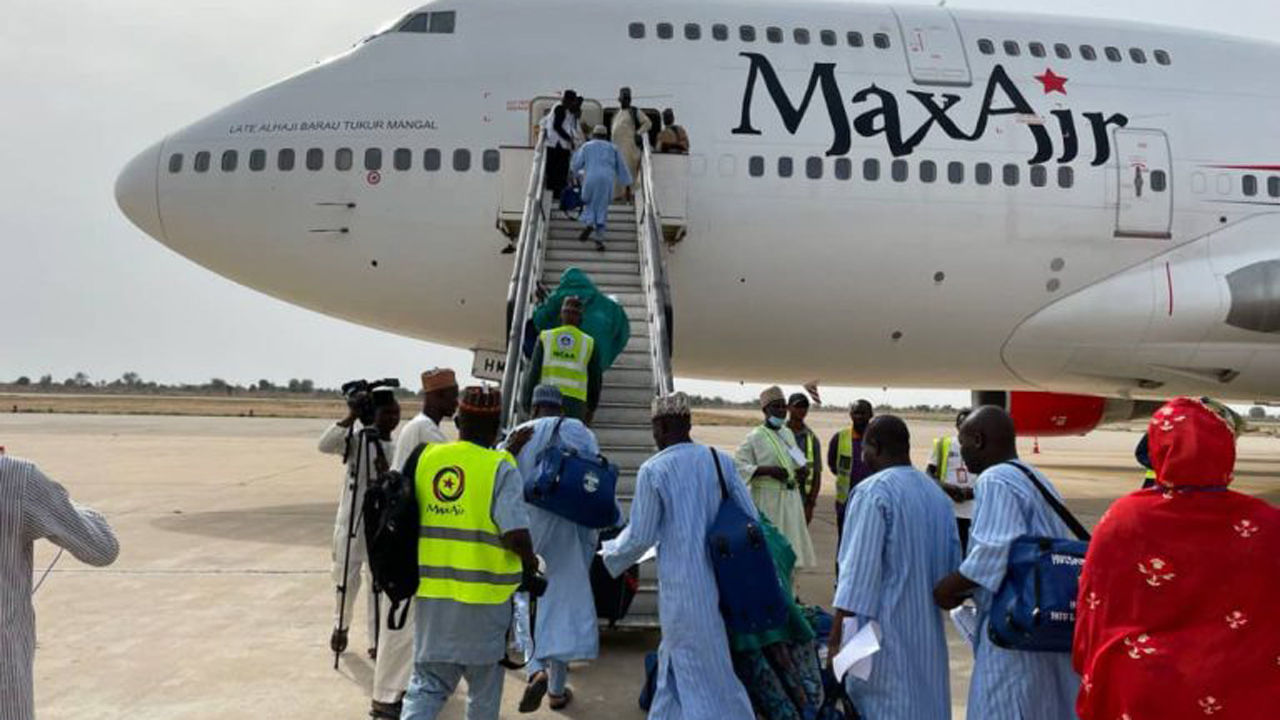
The cost of performing Hajj for Nigerian pilgrims could rise in the coming years as Saudi Arabia moves to overhaul the organisation of the annual pilgrimage and phase out the Grade D package relied on by many lower-income pilgrims.
Chairman of the National Hajj Commission of Nigeria (NAHCON), Ambassador Ismail Yusuf, disclosed this during a media briefing on Hajj policy reforms, explaining that the changes being introduced by Saudi authorities would have implications for how pilgrims are accommodated and serviced.
The current Hajj fare for Nigerian pilgrims is reported to range between N7.5 million and N7.8 million, depending on the location. However, Yusuf said the cost structure could change as Saudi Arabia implements its reforms over the next three years.
A key part of the reforms is the planned cancellation of the Grade D package, which has traditionally provided a lower-cost option for Nigerian pilgrims. Yusuf said the change could have a significant impact because an estimated 80 to 90 per cent of Nigerian pilgrims come from lower-income backgrounds and save over time to finance the pilgrimage.
“Moving forward, the Saudi government is cancelling the grade D package because they believe that anybody who comes to perform Hajj should have the best experience,” Yusuf said.
Under the reforms, Saudi Arabia also plans to professionalise Hajj administration, with greater emphasis on specialised training and certification for those managing pilgrims. Training is expected to cover areas including logistics, medical services, disaster management and crowd control.
Yusuf said ad-hoc arrangements for Hajj administration would gradually give way to professionally trained and certified personnel, with certification expected to become a requirement for Hajj managers.
The reforms will also change the balance between government-controlled Hajj operations and private tour operators. According to Yusuf, Saudi authorities initially sought to have 98 per cent of Nigeria’s pilgrims handled by private operators, but the implementation has been adjusted to allow a phased transition.
He said the allocation to private operators is expected to reach 30 per cent in 2027, with the remaining transition spread across 2028 and 2029.
Yusuf said the commission had engaged Saudi authorities over the proposed reforms and successfully secured a postponement of their full implementation, citing the need to consider Nigeria’s unique pilgrim demographics.
He said NAHCON was also working with state pilgrims welfare boards to restructure their operations into a tour-operator model that would align with the emerging Saudi framework.
On Nigeria’s Hajj quota, Yusuf said Saudi Arabia had maintained the country’s allocation at 50,000 pilgrims, despite Nigeria’s request for additional slots.
He said Saudi authorities declined the request because of capacity utilisation and the advanced stage of preparations for the pilgrimage, but indicated that Nigeria’s allocation could be reviewed based on how effectively the country uses its existing quota.
Yusuf assured Nigerian pilgrims that NAHCON would continue to play a role in protecting their welfare as the reforms take effect, even as the commission adapts its operations to meet the changing requirements set by Saudi Arabia.