








Aero Contractors has strengthened its aircraft maintenance and technical support capabilities with new maintenance, repair and overhaul (MRO) equipment and an expanded hangar as the Nigerian airline moves to increase its capacity to service aircraft in Nigeria and across the region.
The investments were unveiled during the airline’s 67th anniversary celebration in Lagos, marking another step in its efforts to develop its MRO business alongside its scheduled, charter and rotary-wing operations.
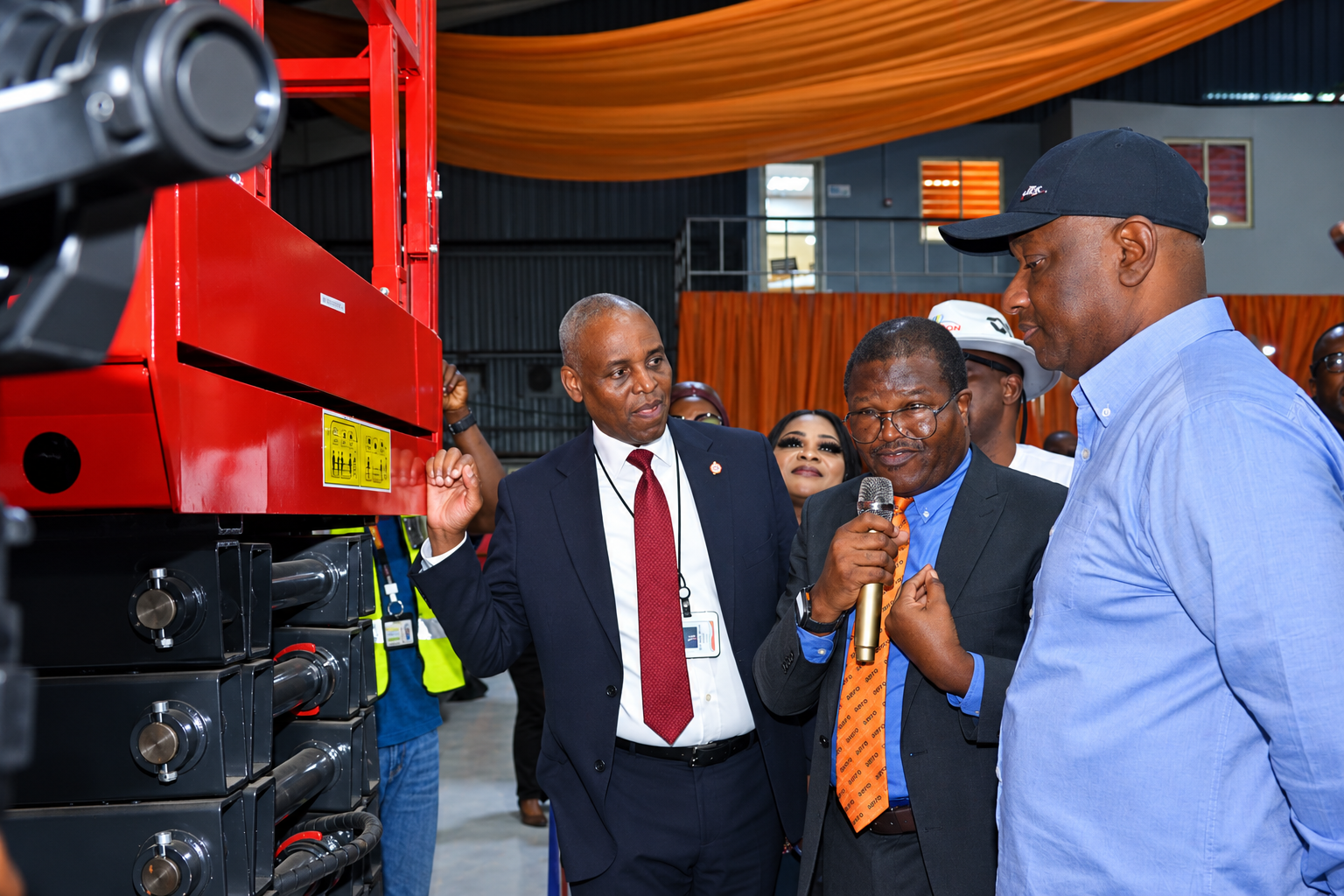
The newly acquired equipment includes tool-control cabinets, FOD sweepers, aircraft scrubbers, power units, frequency converters, scissor lifts and hybrid air-conditioning equipment.
The equipment is expected to improve the efficiency of aircraft maintenance activities, strengthen safety and housekeeping standards within the hangar environment, and provide engineers with additional technical resources for servicing aircraft.
The airline has also expanded its hangar to accommodate additional aircraft servicing capacity, allowing it to handle more maintenance work as it develops its position as a regional MRO provider.
Aero Contractors Managing Director, Capt. Ado Sanusi, said the development was part of the airline’s broader effort to strengthen its technical capabilities and build on the experience accumulated over decades of aircraft operations and maintenance.
The airline’s MRO capability has been a significant part of its aviation history. In January 2018, Aero Contractors engineers completed a C-check on a Boeing 737 at its Ikeja facility, at a time when no Nigerian airline had performed the heavy maintenance check locally for 14 years.
The airline described the achievement as a landmark for indigenous aircraft maintenance capability in Nigeria and West and Central Africa.
Since then, Aero Contractors has continued to invest in its maintenance infrastructure and technical resources, with its MRO facility serving not only its own fleet but also other airlines requiring maintenance support.
The latest equipment acquisition and hangar expansion are intended to increase that capacity and position the company to handle a wider range of aircraft maintenance requirements.
Sanusi said the airline’s objective was to build an MRO operation capable of supporting the wider African aviation market, reducing dependence on overseas maintenance facilities and keeping more aviation-related technical business within the region.
The investment comes as African airlines and governments seek to strengthen local maintenance capacity amid the high cost and logistical challenges associated with sending aircraft abroad for major maintenance.
For Aero Contractors, the expanded facility provides an opportunity to deepen its role in Nigeria’s aviation value chain while creating additional opportunities for engineers, technicians and other aviation professionals.