






The Nigeria Civil Aviation Authority (NCAA) and the National Insurance Commission (NAICOM) have strengthened cooperation on aviation insurance regulation with the signing of a Memorandum of Understanding (MoU) aimed at improving compliance, risk protection and financial resilience across Nigeria’s aviation sector.
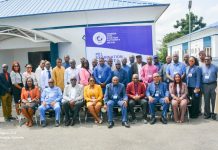
The agreement, signed in Abuja by the NCAA Director-General, Capt. Chris Ona Najomo, and the Commissioner for Insurance and Chief Executive Officer of NAICOM, Mr. Olusegun Ayo Omosehin, provides a formal framework for closer regulatory coordination between the two agencies.
The MoU also establishes a Joint Technical Committee on Aviation Insurance, comprising representatives of both regulators, to facilitate information sharing, verify insurance arrangements, review insurance requirements and address emerging challenges affecting the sector.
Najomo said the agreement builds on years of cooperation between the two institutions and would strengthen the insurance framework supporting aviation safety and the protection of passengers, operators and other industry stakeholders.
He noted that although aviation remains one of the safest modes of transportation globally, its operations involve risks that can have significant financial and human consequences, making adequate and verifiable insurance protection essential.
For several years, NAICOM has provided technical assessments of the adequacy and viability of insurance policies obtained by aviation operators in compliance with Part 18.14 of the Nigeria Civil Aviation Regulations 2023. The new framework is expected to deepen that collaboration and reduce regulatory gaps and avoidable operational challenges.
Najomo said stronger coordination between the regulators would promote sustainable insurance practices, improve stakeholder confidence and support more cost-efficient operations within the aviation industry.
He expressed confidence that the Joint Technical Committee would translate the agreement into measurable improvements in aviation insurance compliance and oversight.
Omosehin described the agreement as a significant step towards building a stronger risk-management framework for Nigeria’s aviation ecosystem, noting that insurance should be viewed as more than a regulatory obligation.
According to him, effective aviation insurance provides financial protection for passengers, businesses, property and other parties that could be affected by aviation incidents, while also supporting business continuity and confidence in the sector.
He stressed the need for regulators to ensure that insurance policies supporting aviation operations remain valid, adequate and responsive to emerging risks, particularly in the event of major accidents that could impose significant financial liabilities on affected families, businesses and other stakeholders.
Omosehin said the partnership would also strengthen protection for policyholders, passengers, airlines, aircraft financiers and lessors, service providers and third parties, while supporting investment and access to aviation financing.
He added that compulsory aviation liability insurance remains an important safeguard for users of air transport by ensuring that compensation is available where legally due.
The NAICOM chief said the effectiveness of the new framework would depend on sustained engagement, mutual trust and a shared commitment to regulatory excellence, adding that closer cooperation would help align Nigeria’s aviation insurance system with international conventions and global best practices.
Also speaking, the NCAA Director of Air Transport Regulation, Mrs. Olayinka Babaoye-Iriobe, said the success of the MoU would require adequate underwriting capacity, contract certainty, appropriate risk retention and effective regulatory compliance and enforcement.
She said the framework would provide a platform for addressing emerging issues in aviation insurance while improving risk management, strengthening contract certainty and supporting access to aircraft leasing and financing.
The two regulators are expected to use the new Joint Technical Committee to coordinate stakeholder engagements, capacity-building initiatives and periodic reviews of aviation insurance requirements, creating a more integrated approach to insurance oversight in Nigeria’s air transport industry.