









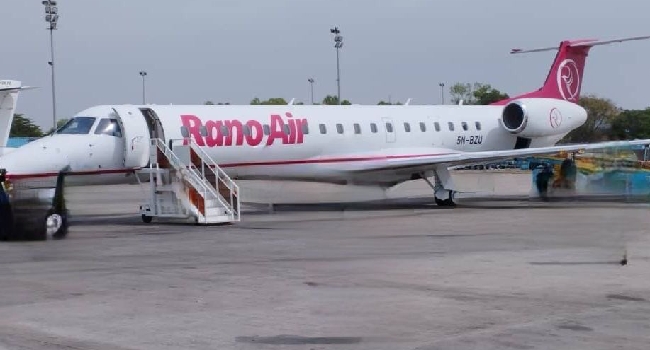
Domestic airline operator Rano Air has reduced and temporarily suspended some of its flight operations as Nigeria’s aviation industry battles soaring aviation fuel prices, weak passenger demand, and mounting operational costs, raising fresh concerns that more local carriers could shut down services in the coming months.
The airline confirmed the development in a public notice, stating that the sharp increase in the cost of Jet A1 fuel had made several of its routes commercially unsustainable.
According to the airline, aviation fuel prices have risen by more than 300 per cent within a short period, significantly increasing operational expenses across the sector and placing enormous pressure on airlines already struggling with economic headwinds.
“Rano Air wishes to inform the general public and our valued passengers that, due to the unprecedented escalation in the cost of Jet A1 aviation fuel by over 300 per cent, the operational cost of sustaining some of our routes has become extremely challenging and commercially unsustainable,” the airline said.
The carrier explained that the decision to scale down operations was taken after careful consideration, stressing that the worsening fuel crisis has become a major threat to sustainable airline operations in Nigeria.
“This significant increase in fuel prices has greatly impacted the aviation industry and placed enormous pressure on our flight operations. In view of the current situation, Rano Air has taken the difficult but necessary decision to suspend some of our routes temporarily,” the statement added.
The development comes amid growing fears of a wider crisis within Nigeria’s aviation industry following repeated warnings from airline operators over the impact of escalating fuel prices and foreign exchange pressures.
The Airline Operators of Nigeria had earlier warned that several carriers could be forced to suspend operations nationwide if urgent government intervention was not introduced to address the surge in Jet A1 prices.
According to operators, aviation fuel prices climbed from about ₦900 per litre in February to nearly ₦3,300 per litre by mid-April, a spike they described as “astronomical” and financially unsustainable for airlines already dealing with high maintenance costs, exchange rate volatility, and declining passenger traffic.
Industry sources say Rano Air’s operational cutback reflects broader difficulties affecting domestic carriers, many of which are reportedly reducing frequencies, adjusting schedules, and reviewing route networks in order to survive the worsening business environment.
Airlines have also blamed declining passenger traffic on rising ticket prices caused by increased operating costs and the wider economic hardship affecting consumers.
The crisis has already triggered concerns across the sector over potential disruptions to connectivity, reduced airline capacity, and possible job losses if operators continue to scale back services.
In response to the situation, Minister of Aviation and Aerospace Development, Festus Keyamo, had recently appealed to airlines not to suspend operations despite the severe financial strain caused by the fuel crisis.
Keyamo acknowledged that the “sudden hike in Jet A1 fuel” had created significant operational challenges for domestic carriers.
Rano Air expressed regret over the inconvenience caused to passengers and assured customers that arrangements had been made to support affected travellers through refunds, rescheduling, and rerouting options.
“We sincerely regret the inconvenience this may cause to our esteemed passengers and business partners. Please be assured that this decision was made after careful consideration and in the interest of maintaining safe, reliable, and sustainable operations,” the airline stated.
The airline added that customer service teams had been directed to assist passengers with existing bookings while expressing optimism that suspended routes would resume once fuel prices stabilise and operations become financially manageable again.