






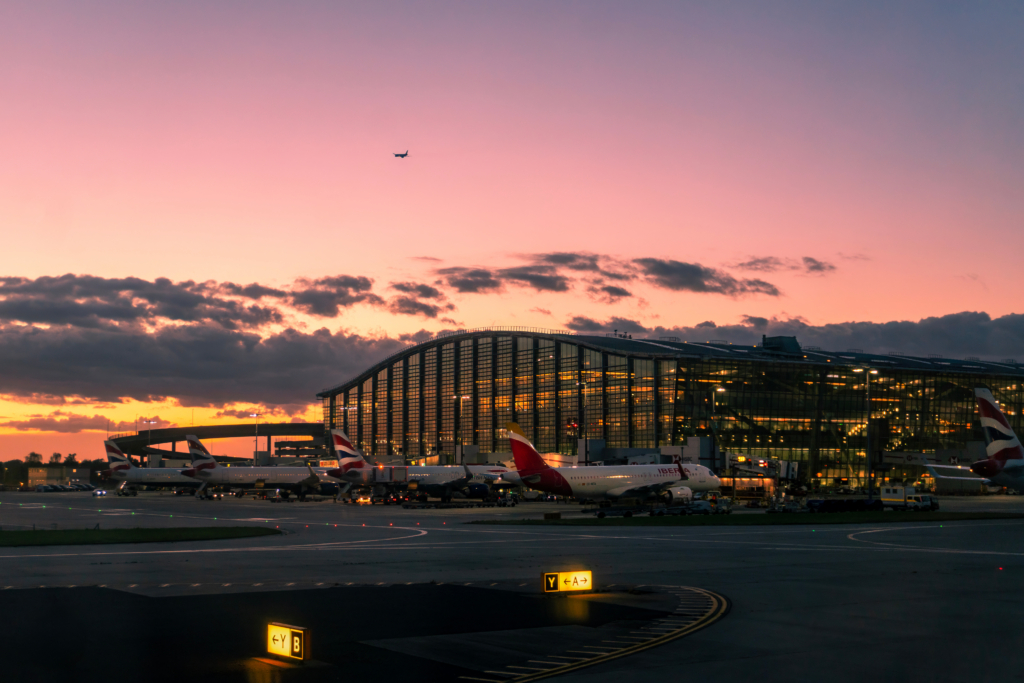
The month of March marked a defining milestone in global aviation as Heathrow Airport celebrated 80 years since it welcomed its first passengers on 25 March 1946, beginning a journey that would transform it from a modest post-war airfield into one of the world’s most connected and influential aviation hubs.
Officially opened as “London Airport” in 1946 after two years of construction, Heathrow’s first flight in the post-war era was anything but ordinary. A converted Lancaster bomber named Starlight departed for Buenos Aires, symbolising both innovation and a world reconnecting after conflict. In that first year, just 63,000 passengers passed through the airport. Fast forward to 2025, and that number has surged to 84.5 million travellers, making it Europe’s most reliable and punctual hub in its busiest year on record.
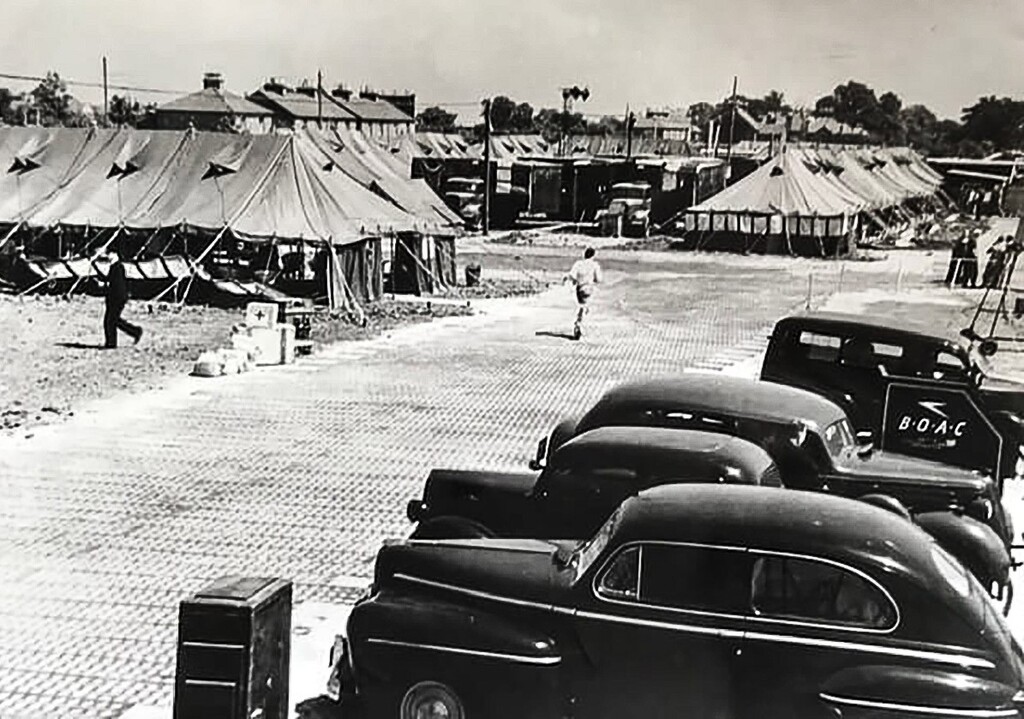
The early days were a far cry from today’s modern terminals. Passenger facilities consisted of ex-military marquees arranged into a tented village, modest yet thoughtfully furnished with floral armchairs, settees, and small tables adorned with fresh flowers. Winters were harsh with no heating, while in summer the walls were removed to let in fresh air. Travellers walked across wooden duckboards to avoid the muddy ground as they made their way to aircraft, a vivid contrast to the seamless experience of today’s aviation infrastructure.
Renamed Heathrow in 1966, the airport quickly became more than a transport hub; it evolved into a stage for defining cultural, political, and historical moments. In 1952, a young Queen Elizabeth II returned through Heathrow in mourning following the death of her father, King George VI. Having ascended the throne at just 25 while abroad in Kenya with Prince Philip, she arrived dressed in black, greeted by dignitaries including Prime Minister Winston Churchill, marking a poignant moment in British history.
The airport’s cultural significance deepened in 1964 when The Beatles departed for and returned from their groundbreaking American tour. Their journey from London to the United States marked a turning point in global music history, with their appearance on The Ed Sullivan Show captivating 73 million viewers. By the time they returned, holding the top five positions on the US singles chart, Heathrow became the backdrop to a national celebration and the launchpad for the British Invasion.
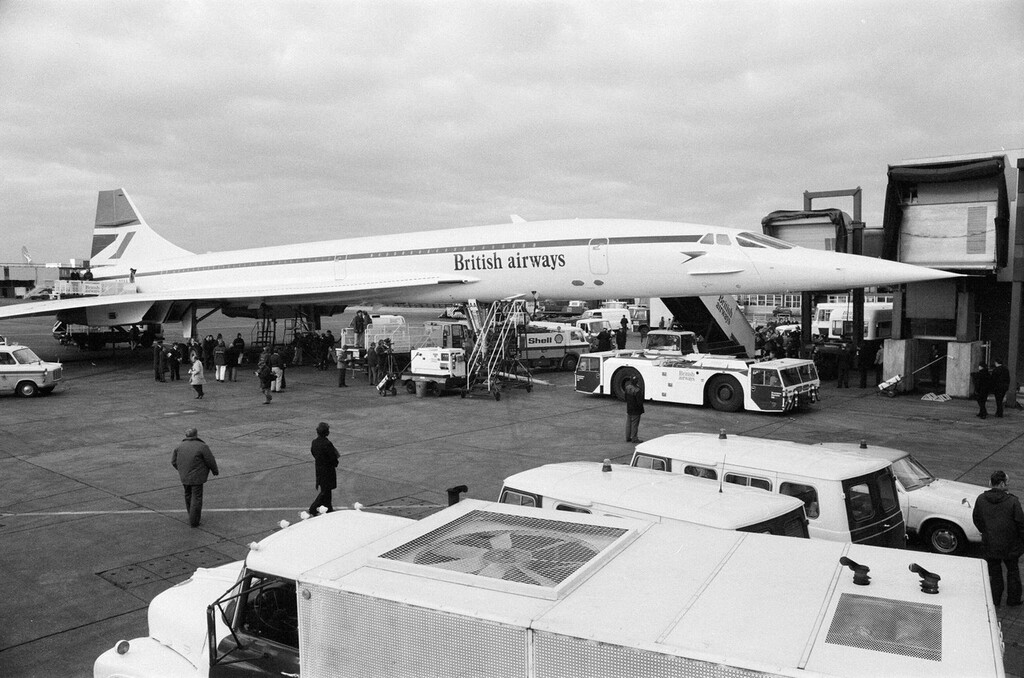
Technological progress soon followed. In 1970, Heathrow welcomed the arrival of the Boeing 747, the world’s first twin-aisle aircraft, capable of carrying 361 passengers at speeds of 625 miles per hour and reducing travel time to London significantly. Just six years later, on 21 January 1976, the era of supersonic travel began as Concorde launched its first commercial flight from Heathrow to Bahrain, with a simultaneous departure from Paris to Rio via Dakar. Among the passengers was a devoted fan, Bob Ingham, whose flamboyant attire captured media attention and reflected the excitement surrounding this new chapter in aviation. Nearly five decades later, British Airways would operate the aircraft’s final flight from Heathrow, closing an iconic era.
Heathrow’s story is also intertwined with moments of royal charm and human connection. In 1986, King Charles III, then Prince of Wales, and Princess Diana officially opened Terminal 4. A minor mishap, Charles’ arm in a sling from a gardening injury, turned into a memorable moment as Diana stepped in to steady the scissors, capturing public affection and media attention.
Infrastructure developments continued to shape the airport’s evolution. In 1998, Prime Minister Tony Blair inaugurated the Heathrow Express, a privately financed £450 million rail link connecting the airport to London Paddington in just 15 minutes, redefining accessibility to the capital.
The early 2000s brought a mix of resilience and celebration. In 2002, actor and aviation enthusiast John Travolta flew into Heathrow aboard a vintage Boeing 707 as part of a global campaign with Qantas to restore confidence in air travel after the September 11 attacks, covering over 30,000 miles across multiple cities. Just a year later, in 2003, England’s rugby team returned triumphant through Heathrow after their World Cup victory in Sydney, with fans gathering at Terminal 4 in the early hours to celebrate Jonny Wilkinson’s historic extra-time drop goal, widely regarded as one of the nation’s greatest sporting achievements.
That same year, Heathrow found its way into cinematic history through the film Love Actually, which featured memorable scenes shot in Terminal 3. The airport’s portrayal as a place of emotional reunions resonated globally, reinforcing its identity as more than just a transit point.
In 2008, Queen Elizabeth II returned once again to open Terminal 5, describing it as a “21st-century gateway to Britain.” The terminal quickly earned global acclaim, repeatedly voted the best in the world, setting new standards in design and passenger experience.
The next decade saw further milestones, including Heathrow becoming a base for the Airbus A380 in 2013 as British Airways introduced the world’s largest passenger aircraft to UK operations. In 2014, Terminal 2, known as The Queen’s Terminal, opened as a modern, sustainable facility capable of serving 20 million passengers annually and bringing Star Alliance carriers under one roof.
Moments of national pride continued in 2016 when Team GB returned from the Rio Olympics with 67 medals, surpassing their London 2012 performance, with athletes like Tom Daley welcomed home at Terminal 5. However, the airport also faced unprecedented challenges in 2020 when the COVID-19 pandemic brought global travel to a standstill. Heathrow was forced to suspend most operations, handling only essential flights as lockdowns took effect. Recovery began in 2022, and by 2024 passenger numbers had rebounded to pre-pandemic levels, highlighting the resilience of global aviation.
Looking to the future, 2026 marks another significant chapter as Heathrow begins work on the planning application for a long-debated third runway, following government backing in 2025. Fully funded by private investment, the expansion is expected to increase capacity, enhance competition, and deliver up to £79 billion in passenger savings, while strengthening Heathrow’s position as a global aviation hub.
Reflecting on the milestone, Heathrow’s Chief Customer Officer Ross Baker noted that the airport has been the setting for countless personal and historic moments over the past 80 years, from landmark arrivals to everyday reunions. As Heathrow celebrates this anniversary, its story stands as a testament to the evolution of aviation, the resilience of global travel, and its enduring role at the heart of international connectivity.