








The African Development Bank Group (AfDB) has secured strong support from African governors, development partners, investors, financial institutions and private sector stakeholders for its ambitious Integrated Aviation Transformation Program (IATP), a flagship initiative designed to modernise Africa’s aviation sector, strengthen regional connectivity and accelerate economic integration across the continent.
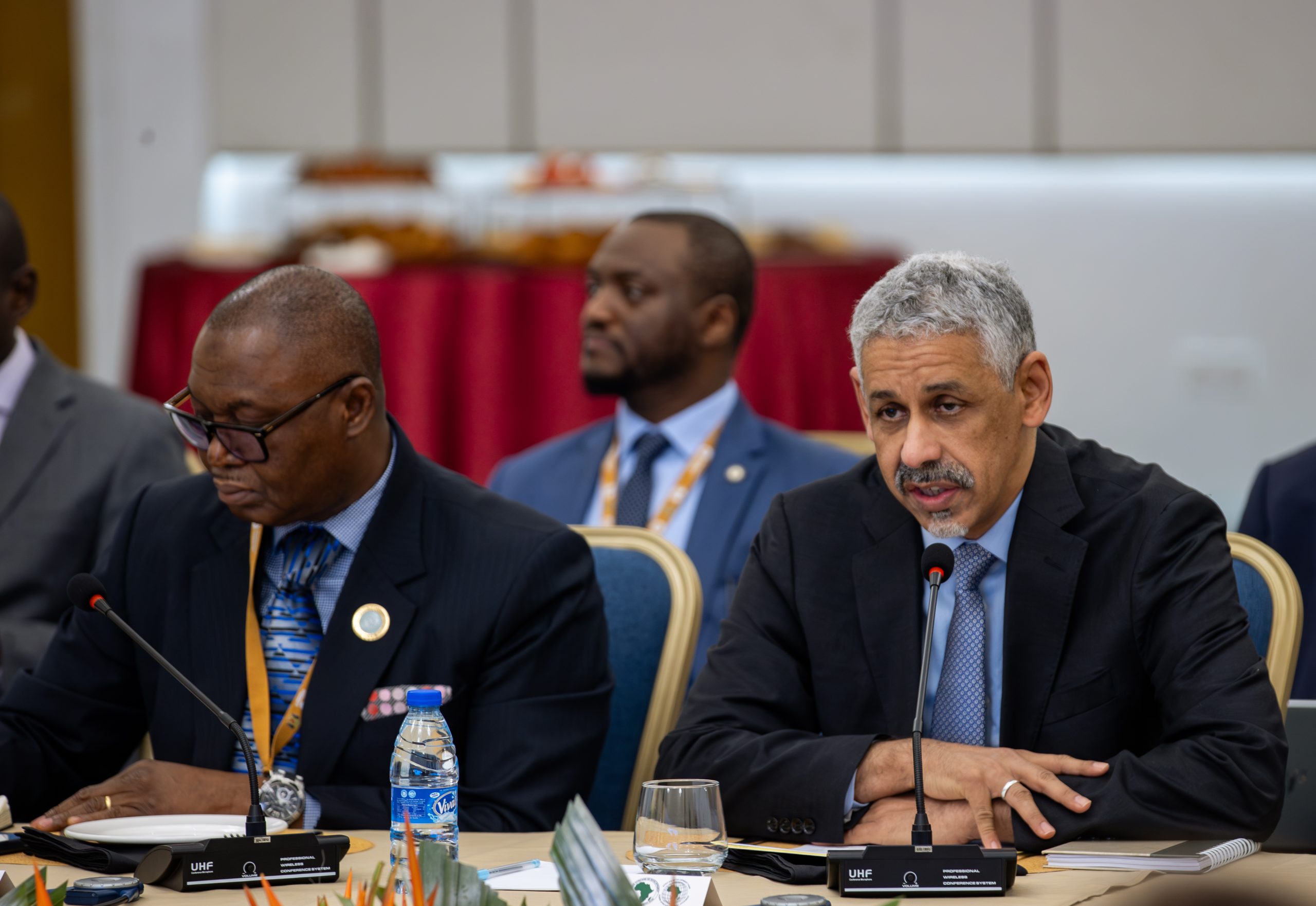
The endorsement came during the Bank Group’s 2026 Annual Meetings in Brazzaville, where aviation stakeholders gathered to discuss innovative financing solutions under the theme, “Platform Solutions for Africa’s Transformation: De-risking Aviation and Health Systems through Innovative Financing.” The discussions highlighted the Bank’s evolving approach of moving beyond traditional project financing to creating large-scale platforms capable of attracting capital, reducing risks and delivering transformational impact.
Speaking at the event, Sidi Ould Tah emphasized the strategic importance of aviation to Africa’s development agenda, noting that the continent needs stronger airlines and improved connectivity to support regional integration and unlock the full potential of the African Continental Free Trade Area.
The IATP aims to mobilise US$7 billion over the next five years to support fleet modernisation, airport and infrastructure upgrades, logistics improvements and the integration of Africa’s air transport market. The programme is expected to bring together African governments, the African Union, development finance institutions, private investors, aircraft manufacturers, leasing companies, airlines and other stakeholders in a coordinated effort to transform the continent’s aviation landscape.
According to Mike Salawou, Africa continues to face significant connectivity challenges, with only 19 per cent of flights on the continent operated by African regional or national airlines. He noted that inefficiencies in air transport are estimated to cost Africa between US$50 billion and US$100 billion annually, underscoring the urgent need for coordinated intervention.
Participants at the meeting stressed that the programme’s success would depend on effective risk mitigation, strong national ownership and sustained collaboration among governments, development banks, institutional investors and private sector partners. Senegal’s Minister of Economy, Planning and Cooperation, Abdourahmane Sarr, described risk reduction as the greatest challenge facing aviation financing and highlighted AfDB’s ability to play a catalytic role through its AAA credit rating.
The programme received a significant boost when Japan announced a US$10 million contribution to the IATP’s Risk-Sharing Facility. The funding is expected to support the programme’s initial implementation phase by reducing financing risks associated with aircraft acquisition by African airlines while helping attract additional investment into the sector.
Salawou described the initiative as a continental connectivity platform designed to link markets, strengthen regional value chains and support the implementation of the AfCFTA. He noted that aviation plays an increasingly important role in resilience, enabling the movement of passengers, medicines, vaccines, strategic equipment and commercial goods while creating economic opportunities across borders.
Further support came from African government representatives, including Guinea’s Minister and AfDB Governor, Ismael Nabé, who called for greater collaboration to overcome fragmentation within Africa’s airline industry. Nigeria’s Minister of Aviation and Aerospace Development, Festus Keyamo, advocated for expanded aircraft leasing solutions and announced the signing of the first National Compact under the Integrated Aviation Transformation Program between Nigeria and the Bank.
The strong endorsement of the IATP reflects growing confidence in aviation as a critical enabler of trade, investment and regional integration. As AfDB advances the programme, the Bank believes the initiative will help transform African aviation into a key driver of competitiveness, connectivity and sustainable economic growth while supporting the continent’s broader development ambitions.