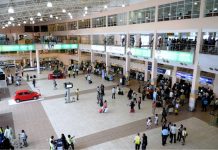







Nigeria’s Murtala Muhammed International Airport (MMIA), Lagos, has re-entered the list of Africa’s 10 busiest airports after recording the continent’s fastest year-on-year growth in passenger seat capacity, reflecting a sharp rise in domestic air travel and the continued expansion of Nigeria’s aviation market.
According to June 2026 data released by global aviation analytics firm OAG, Lagos ranked 10th among Africa’s busiest airports after increasing its total airline seat capacity by 16.7 per cent, from 357,799 seats in June 2025 to 417,622 seats this year. The growth was the highest recorded among the continent’s top 10 airports during the period.
The airport’s return to the continental rankings was largely driven by Nigeria’s strong domestic market, which posted Africa’s biggest increase in capacity in absolute terms. Airlines added about 130,200 seats to domestic operations, representing a 21.7 per cent year-on-year increase as carriers expanded services to meet growing passenger demand despite prevailing economic challenges.
The figures reinforce Lagos’ position as West Africa’s busiest aviation gateway and highlight the growing importance of Nigeria’s domestic market in driving the country’s overall aviation recovery.
While Lagos recorded the fastest growth rate, Cairo International Airport retained its position as Africa’s busiest airport with more than 1.65 million available seats, followed by Addis Ababa Bole International Airport with over 1.13 million seats, supported by Ethiopian Airlines’ expanding global network. Johannesburg’s OR Tambo International Airport remained third, reflecting the strength of Southern Africa’s aviation market.
Other airports in the top 10 included Casablanca’s Mohammed V International Airport, Houari Boumediene Airport in Algiers, Cape Town International Airport, Marrakech Menara Airport, Nairobi’s Jomo Kenyatta International Airport and Tunis-Carthage International Airport.
The OAG report also highlighted increasing competition among Africa’s leading airlines. Ethiopian Airlines maintained its position as the continent’s largest carrier with about two million seats in June, representing a 10 per cent increase over the previous year. Air Algérie recorded the fastest growth among the continent’s major airlines at 11.2 per cent, closely followed by Royal Air Maroc with 10.8 per cent growth.
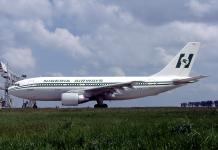
For Nigeria, the expansion reflects aggressive capacity deployment by indigenous airlines seeking to capture rising domestic travel demand, supported by growing business activity and increasing passenger preference for air transport over long-distance road travel.
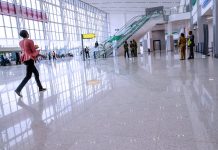
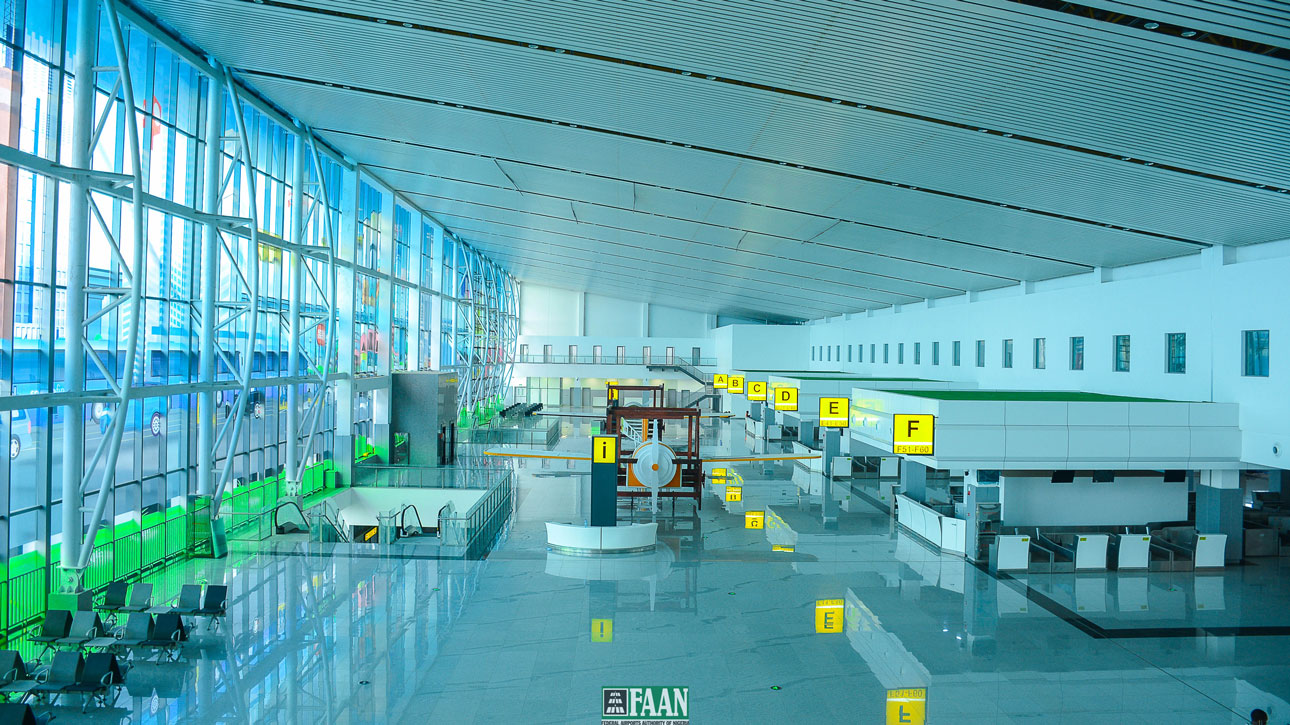
The latest rankings also underscore the need for continued investment in airport infrastructure. As passenger volumes continue to rise, sustaining Lagos’ position among Africa’s leading aviation hubs will depend not only on airline capacity growth but also on improvements in terminal facilities, passenger processing, baggage handling systems and overall airport efficiency.
The airport’s return to Africa’s top 10 busiest gateways marks another positive indicator for Nigeria’s aviation sector, demonstrating the resilience of the domestic market while reinforcing Lagos’ strategic role as a key gateway for regional and international air transport.