










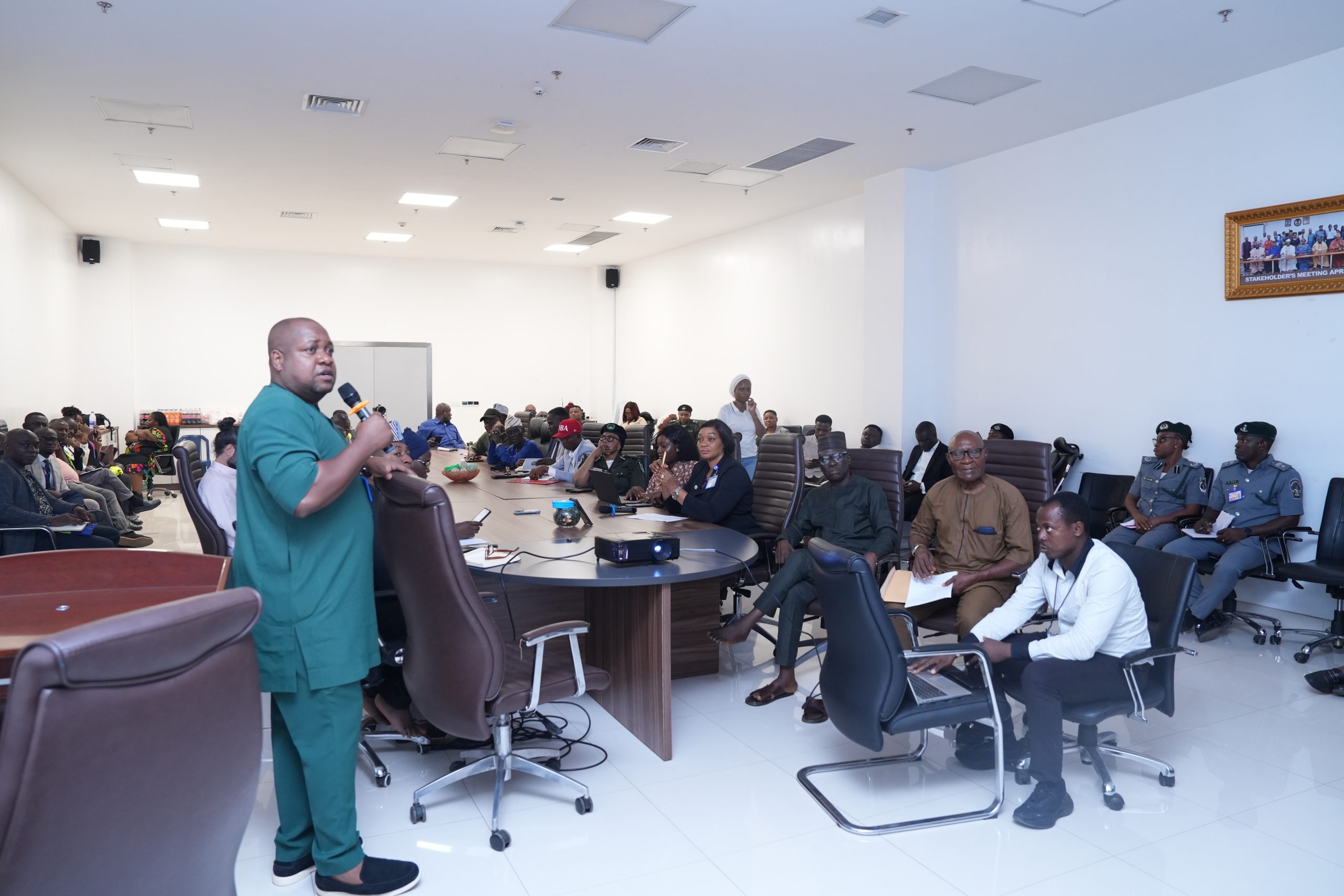
The Federal Airports Authority of Nigeria (FAAN) has intensified efforts to reposition Nigeria’s aviation cargo sector with a strategic engagement involving freight forwarders, cargo agents, and other stakeholders on the planned development of an Aviacargo Village and broader operational reforms at the Murtala Muhammed International Airport (MMIA), Lagos.
The engagement, organised by FAAN’s Directorate of Cargo Development and Services (DCDS), brought together recognised agents’ associations operating across the air cargo value chain as part of moves to improve efficiency, standardisation, security, and global competitiveness within Nigeria’s cargo ecosystem.
Held under the theme, “Strategic Engagement Session on Cargo Village Development and Operational Framework,” the meeting focused on strengthening collaboration between the airport authority and industry operators while ensuring that planned reforms align with operational realities and international best practices.
Representing the Director of Cargo Development and Services, Mr. Lekan Thomas, the General Manager, Cargo, Mrs. Alao Mamman, stressed the importance of stakeholder cooperation in achieving the objectives of the proposed Cargo Village project. She explained that the initiative is expected to significantly improve cargo handling processes, streamline operations, and enhance regulatory compliance across the sector.
According to her, the development of a modern cargo ecosystem at MMIA would improve operational coordination among cargo stakeholders while positioning Nigeria to compete more effectively within the regional and global logistics market.
Mamman noted that the project forms part of FAAN’s broader strategy to promote a transparent, inclusive, and globally competitive cargo system capable of supporting increasing air freight activities and facilitating trade growth.
During the session, the General Manager, Cargo Partnerships and Registration, Engr. Jay Etim, outlined major components of the planned reforms and infrastructure development within the cargo environment. He highlighted the proposed Aviacargo Village, the creation of an integrated cargo logistics hub, and the co-location of key cargo stakeholders as central pillars of the initiative.
Etim explained that the reforms are designed to create a more organised and efficient operational framework by improving synergy among operators, strengthening access control systems, and enforcing operational and regulatory standards across the cargo chain.
He also emphasised the role of licensed agents within the evolving cargo ecosystem, noting that stronger compliance structures and coordinated operations would improve service delivery and enhance cargo security.
The meeting provided stakeholders with an opportunity to contribute practical recommendations and operational insights aimed at ensuring inclusiveness and sustainability in the implementation process. Participants also highlighted the need for continuous engagement between FAAN and cargo operators to build a cargo environment that meets international standards while supporting economic growth and trade facilitation.
Industry stakeholders believe the planned Cargo Village, once completed, could transform MMIA into a more efficient regional cargo and logistics hub by simplifying cargo processing procedures, improving infrastructure, and enhancing operational coordination across Nigeria’s busiest international airport.