







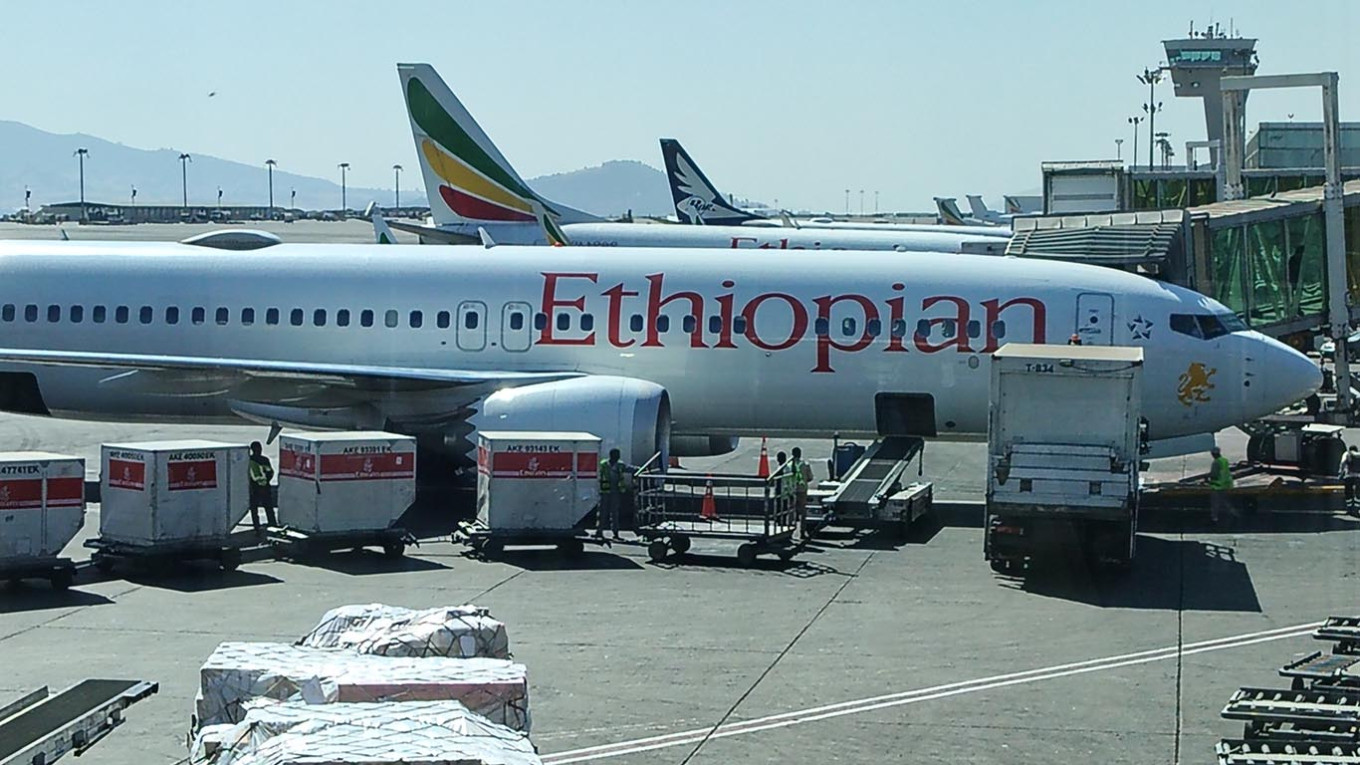
International Air Transport Association has called on the Government of Ethiopia to maintain strong investment in aviation as passenger demand is projected to triple over the next two decades, positioning the sector as a key driver of long-term economic growth.
According to IATA, aviation already plays a vital role in Ethiopia’s economy, delivering an estimated $2 billion in economic activity, equivalent to 1.2 percent of the country’s GDP. This contribution reflects not only direct aviation operations but also wider impacts across supply chains, employee spending, and tourism. The sector supports approximately 527,000 jobs nationwide and facilitates the movement of around 248,400 tonnes of air cargo annually, reinforcing its importance for trade and connectivity.
Speaking on the outlook, Kamil Alawadhi noted that Ethiopia’s aviation success is the result of deliberate government prioritization, but emphasized that there remains significant untapped potential. With 60 percent of the country’s population under the age of 25, he highlighted aviation as a powerful catalyst for transforming growth into employment opportunities, skills development, and broader economic advancement. He added that sustained focus on cost-efficient infrastructure, workforce development, and sustainability will be essential to unlocking greater long-term value from the sector.
These issues are being addressed at the Focus Africa Conference currently taking place in Addis Ababa, where industry leaders and government representatives are working to identify actionable strategies to strengthen aviation across the continent and enhance its contribution to sustained economic growth.
IATA identified infrastructure development as a critical priority, particularly as Ethiopia progresses plans for the new Bishoftu airport. The association stressed the importance of ensuring cost efficiency and close coordination with airlines and industry stakeholders in line with international standards set by International Civil Aviation Organization. Early engagement on Operational Readiness and Airport Transfer processes will be vital to guarantee a smooth, safe, and efficient transition as passenger and cargo volumes continue to rise.
The need for continued investment in training and capacity-building was also highlighted as a key factor in sustaining growth. Institutions such as Ethiopian Aviation University, an IATA-authorised training centre, are expected to play a central role in developing the next generation of aviation professionals, including pilots, engineers, cabin crew, and ground operations specialists. Building a skilled workforce will be critical to meeting rising demand while maximising the sector’s long-term economic impact.
Sustainability was identified as the third major priority, with Ethiopia well-positioned to benefit from global carbon markets. IATA noted that the country has an estimated 16.1 million CORSIA-eligible emissions units available in the near term, presenting an opportunity to unlock sustainable climate finance while supporting international aviation’s environmental goals. The association encouraged the Ethiopian government to advance the issuance of Letters of Authorization to enable the use of these units under CORSIA, aligning future aviation growth with the industry’s broader ambition of achieving net-zero carbon emissions by 2050.
With strong demand projections and a young, growing population, Ethiopia’s aviation sector stands at a pivotal moment, where strategic investment and policy alignment could significantly expand its role in driving economic development and global connectivity.