










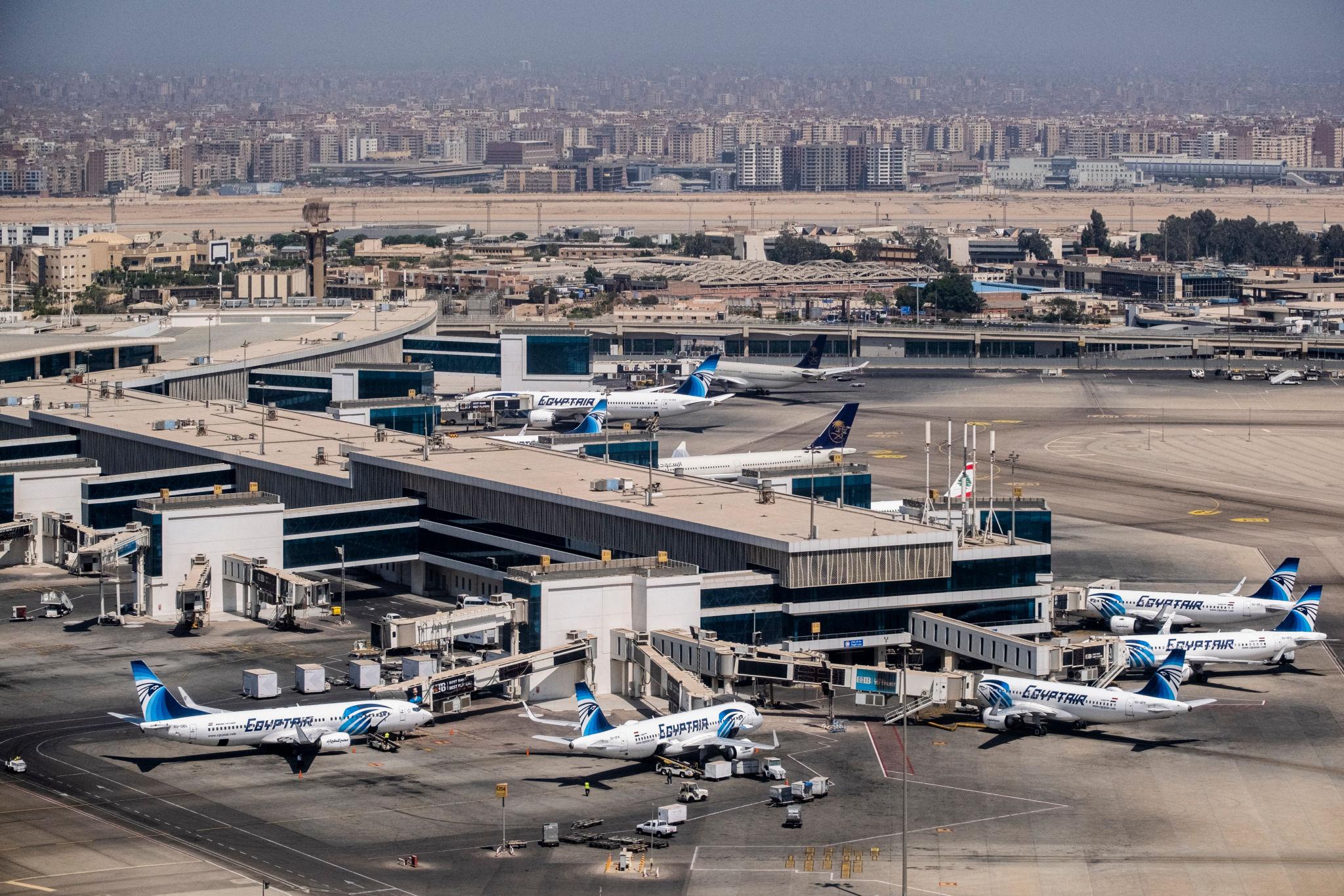
International Air Transport Association has projected a strong long-term growth outlook for Egypt’s aviation sector, while calling for closer collaboration between government and industry stakeholders to ensure future expansion is supported by efficient infrastructure, balanced regulation, and sustainability initiatives.
According to IATA’s latest long-term passenger traffic outlook, Egypt is expected to outperform global average aviation growth over the coming decades. The association projected that, under its mid-range scenario, passenger demand in Egypt will grow by 3.4 per cent annually between 2024 and 2050, exceeding the global average growth rate of 3.1 per cent over the same period. Under a high-range scenario, annual passenger growth in Egypt could reach 3.8 per cent.
IATA’s Senior Vice President for Operations, Safety and Security, Nick Careen, said Egypt’s aviation industry holds significant potential to drive economic prosperity through increased connectivity, job creation, tourism growth, and expanded trade opportunities.
According to him, airlines are already investing for future expansion, but the pace of regulatory and infrastructure development must match the industry’s growth ambitions. He stressed the need for efficient and cost-effective airport infrastructure, globally aligned regulations, and sustainable aviation policies capable of supporting long-term sector growth.
As Egypt advances several major aviation infrastructure projects, including developments at Cairo International Airport, Alexandria International Airport, and Sphinx International Airport, IATA urged authorities to maintain early and meaningful engagement with airline operators. The association noted that close consultation would help ensure investments remain demand-driven, cost-efficient, and aligned with global aviation best practices while avoiding unnecessary financial pressure on airlines and passengers.
IATA also welcomed ongoing collaboration with Egyptian authorities on the review of the country’s passenger rights regulations. The association described the process as an important opportunity to align Egypt’s regulatory framework with international standards, minimise excessive regulatory burdens, and achieve balanced outcomes for both passengers and airlines.
On sustainability, IATA encouraged continued cooperation between government and industry to establish the right policy framework for the development of Sustainable Aviation Fuel (SAF) in Egypt. The association said supportive policies would help attract investment, align production with internationally recognised sustainability standards, and improve the commercial viability and scalability of SAF production.
The organisation further noted that Egypt’s Ministry of Civil Aviation has reaffirmed its commitment to the global aviation industry’s target of achieving net zero carbon emissions by 2050, including plans to support domestic SAF production and position Egypt as a regional hub for lower-carbon aviation.