







Domestic airlines in Nigeria have raised their minimum base fares to as high as N200,000 for one-way tickets as operators struggle with escalating operational costs, shrinking cash flow, and mounting financial pressure across the aviation sector.
The latest fare adjustments, which cut across several local carriers, represent one of the sharpest increases in recent months and have further heightened concerns over the sustainability of domestic airline operations amid Nigeria’s challenging economic environment.
Checks across airline booking platforms showed that United Nigeria Airlines increased its minimum fare to N200,000 per flight regardless of route, while Air Peace adjusted its one-way fares upward to about N211,600. Ibom Air also raised its base fare to approximately N200,300 on several routes.
Some carriers, however, retained comparatively lower fares on selected routes. Arik Air maintained ticket prices between N113,000 and N114,000 for Abuja-Lagos services, while Aero Contractors’ fares ranged from about N123,127 to N146,702. ValueJet’s fares stood between N118,571 and N132,857 for Lagos-Abuja flights.
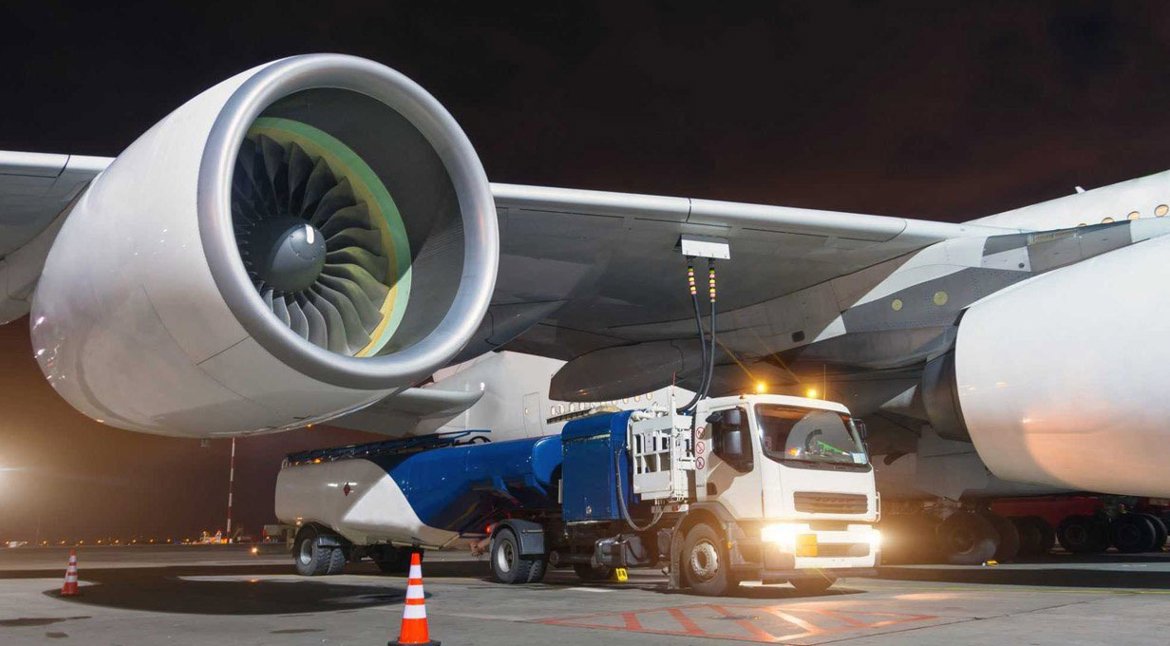
Industry operators attributed the fare hike to worsening operational conditions driven largely by high aviation fuel costs, foreign exchange pressures, and increasing maintenance expenses. Aviation fuel, also known as Jet A1, currently sells for about N2,650 per litre at several airports across the country despite recent efforts aimed at moderating fuel prices.
Airline sources said the upward review in fares became unavoidable as operators continue to grapple with rising debt burdens and declining financial stability.
An airline official, who spoke anonymously because he was not authorised to comment publicly, explained that the fare increase followed extensive consultations and careful assessment of prevailing market realities.
According to the source, the decision was taken independently by individual airlines and was not the result of any coordinated industry action.
“We have adjusted our minimum fares to about N200,000 per flight irrespective of route. It was a painful decision taken after serious consideration of several operational factors,” the source said.
The official added that airlines could no longer sustain operations under the current cost structure, warning that continued losses could deepen the crisis already facing the industry.
“We cannot continue to subsidise travellers with the current situation of Jet A1. Cash flow has dried up and debts are increasing. Without these adjustments, there could be serious operational disruptions within the industry,” the source added.
Operators also appealed to passengers for understanding, insisting that the fare increase was necessary to ensure business survival and maintain safe operations.
The development comes despite earlier assurances by the Federal Government that intervention measures would be introduced to cushion the impact of rising aviation fuel prices on airlines. However, industry stakeholders say operators are yet to receive meaningful relief as cost pressures continue to intensify.
Aviation analyst and former military commandant, Group Capt. John Ojikutu, said reducing logistics costs associated with transporting aviation fuel could help lower prices over time.
According to him, the restoration of pipelines conveying Jet A1 fuel to the Murtala Muhammed Airport in Lagos would significantly reduce transportation costs currently borne by marketers and airlines.
“Without bridging the supply with pipelines from Ejigbo to the airport, you may not get lower prices. The concession can be given to the airlines or private operators who would manage transportation at far lower costs than what is currently being paid through trucking,” Ojikutu said.
Industry stakeholders warn that unless urgent measures are introduced to stabilise fuel supply and reduce operating costs, more airlines may be forced to cut routes, reduce frequencies, or further increase ticket prices in the coming months.