










Nigeria’s drive to modernise airport infrastructure could have implications beyond improved passenger facilities, with better airfield systems, more efficient terminals and stronger transport connections expected to support airline operations, passenger movement and the country’s ambitions to become a more competitive aviation hub.
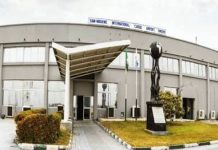
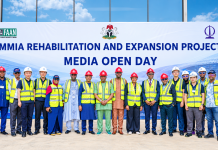
The Federal Airports Authority of Nigeria (FAAN) is overhauling Terminal 1 at Murtala Muhammed International Airport (MMIA), Lagos, while pursuing runway and airfield improvements at major airports. The authority is also working towards financing a proposed extension of the Lagos Mass Transit Red Line to the airport.
FAAN Managing Director and Chief Executive, Mrs Olubunmi Onabanjo-Kuku, outlined the plans at the World Aviation Festival in Lisbon, Portugal, explaining that investment must balance safety, operational efficiency and passenger experience across the authority’s network.
The scale of the challenge is evident at Lagos airport, which handles about 68 per cent of Nigeria’s airport traffic. Lagos, Abuja and Kano together account for approximately 80 per cent, creating pressure to upgrade the busiest gateways while maintaining facilities at other airports.
For airlines, reliable runways, airfield lighting and functional terminal facilities are essential to efficient operations. For passengers, improved terminal layouts and processing systems could help make airport journeys more convenient. Better links between airports and urban transport networks could also ease access, particularly at busy gateways such as Lagos.
The wider investment drive comes as Aviation and Aerospace Development Minister Festus Keyamo has repeatedly highlighted infrastructure renewal as a priority for the sector.
Speaking at the 67th anniversary of Aero Contractors in October, Keyamo said about $500 million had been raised for the reconstruction of Lagos airport and other aviation infrastructure within two years, which he attributed to improved government liquidity following the removal of fuel and foreign exchange subsidies. He also said the government was targeting ₦1 trillion for critical aviation infrastructure under its Renewed Hope Agenda.
The minister has also warned that delays in developing essential facilities can make projects significantly more expensive. He cited the proposed second runway at Nnamdi Azikiwe International Airport in Abuja, whose projected cost has risen substantially compared with earlier estimates. The argument underscores the importance of sustained investment and timely delivery, rather than allowing infrastructure gaps to persist.
Beyond construction, Keyamo has stressed the need for commercially viable airports, stronger regulatory frameworks and improved connectivity within Africa. At the September 2026 ACI Africa regional conference in Abuja, he said better links between African destinations and closer cooperation among governments, airlines and airport operators were necessary to ease intra-African travel.
These priorities give the ongoing FAAN projects a broader significance. The proposed Lagos rail connection, for example, could improve access to the airport’s terminals and cargo facilities, linking air travel more effectively with the city’s public transport system. If delivered as planned, the connection could help passengers and airport workers reach the facility more easily, while improving access to cargo operations.
However, infrastructure spending alone will not guarantee stronger industry performance. The benefits will depend on the quality and timely completion of the projects, effective maintenance, reliable airport operations and coordination among government agencies, airport managers, airlines and other service providers.
Nigeria’s ability to translate its airport investments into stronger aviation performance will therefore depend on how effectively modernised facilities support safety, efficient passenger and cargo movement, airline growth and regional connectivity. For FAAN, the immediate task is to deliver improvements at the busiest airports without neglecting the wider network; for the industry, the longer-term test is whether those improvements help make air transport more reliable, accessible and competitive.