








The Federal Government has thrown its weight behind plans by Baze Aviation School to establish a regional aviation training hub in Abuja, with the project expected to reduce Nigeria’s reliance on foreign training institutions and retain more aviation-related expenditure within the domestic economy.
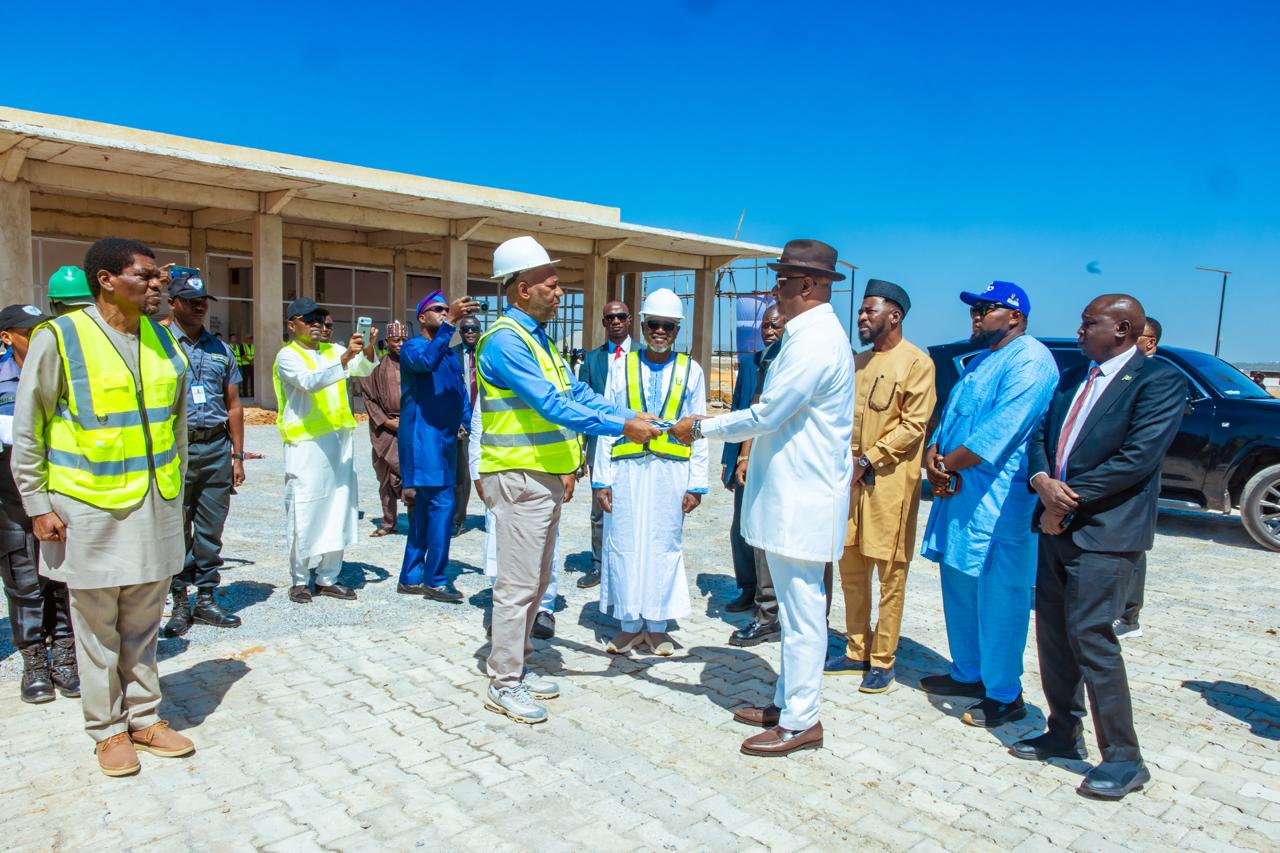
The Minister of Aviation and Aerospace Development, Festus Keyamo, gave the government’s backing during an inspection tour of the facility in Bwari, Abuja, where he described the development as an opportunity to build local expertise, conserve foreign exchange and attract trainees from across West and Central Africa.
Keyamo said Nigeria spends substantial sums annually sending pilots and other aviation professionals abroad for specialised training, adding that a functional local facility could keep a significant portion of the expenditure in the country.
He particularly highlighted the proposed flight simulator centre, which is expected to feature training facilities associated with aircraft manufacturers such as Boeing and Airbus. The centre could reduce the need for Nigerian airline captains and other aviation personnel to travel to countries including South Africa and the United States for simulator training.
The minister said the project’s ambition should extend beyond meeting domestic demand to positioning Nigeria as a destination for aviation education and professional development across the region.
He also cautioned public officials against creating administrative bottlenecks that could delay the development, pledging to intervene where necessary to facilitate its progress. Keyamo urged the promoters to report any government official attempting to frustrate the project, describing it as a national development initiative.
Earlier, Founder of Baze University, Datti Baba-Ahmed, presented the master plan, explaining that the project was conceived as an integrated aviation ecosystem combining training, flight operations and supporting commercial services.
The proposed development includes a runway, four hangars, a heliport, terminal, air traffic control building, airline management offices, aviation security facilities, accommodation, a clinic and an emergency response centre. It is also expected to provide space for aircraft manufacturers, maintenance, repair and overhaul (MRO) operators, hotels and other aviation-related businesses.
Providing an update on construction, Baba-Ahmed said work on the apron, planned to extend 500 metres, was ongoing, with 155 metres completed. He added that the granular sub-base for the first 1,000 metres of the runway was about 95 per cent complete, while the remaining work on that section was expected to be finished by the end of November.
The first phase of runway pavement construction is scheduled to begin in December, followed by asphalt surfacing. The institution would then seek the minister’s approval to commence flight training.
Baba-Ahmed said the initial 1,000-metre runway section was expected to be ready by January and would accommodate virtually all categories of light aircraft. He also disclosed that the school’s two Grand Caravan aircraft had arrived in Nigeria.
The project has also generated interest among surrounding communities, with representatives anticipating employment opportunities and increased commercial activity as construction and operations progress.
If completed as planned, the facility could expand Nigeria’s capacity for pilot training and other specialised aviation services, while creating opportunities to attract students and aviation businesses from other African countries. However, the scale of its impact on overseas training expenditure will depend on the range of courses, simulator capabilities and regulatory approvals available when the facility becomes operational.