









Egypt is targeting a significant expansion of its aviation infrastructure, aiming to raise annual passenger capacity across its airports from 73 million to more than 122 million by 2030, as the government pursues major development projects and increased private-sector participation.
Civil Aviation Minister Sameh Elhefny said the expansion would involve upgrades to existing facilities, development of new airport infrastructure and modernisation of airspace management systems to accommodate growing passenger traffic.
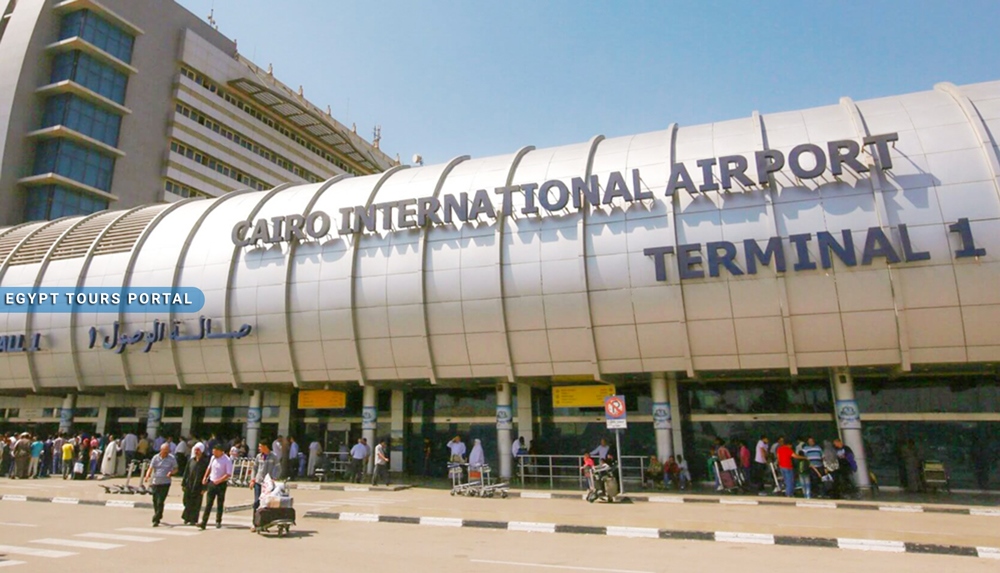
A key component of the strategy is the planned construction of Terminal 4 at Cairo International Airport, which currently handles more than 31 million passengers annually, above its designed capacity of 28 million. The project, estimated to cost $4.2 billion, is expected to increase the airport’s annual capacity to 70 million passengers in its first phase, with a longer-term target of 110 million by 2041.
Developments at El-Alamein, Sphinx and New Capital airports are also expected to contribute approximately 12 million additional passengers to Egypt’s annual airport capacity.
The government is equally seeking greater private-sector involvement in airport management and development. Elhefny said 11 airports, excluding Cairo International Airport, would be offered to private investors for management, operation and development, with Hurghada International Airport selected as the pilot project.
Prequalification of interested consortia has been completed, and the government is expected to begin receiving proposals from eligible bidders. The ministry is also preparing to submit a draft concession agreement to parliament for the operation and development of Ras El-Hekma Airport.
Beyond airport infrastructure, Egypt has invested more than $400 million in upgrading its airspace management capabilities, including radar systems, satellite networks and communication infrastructure. The programme also covers the restructuring of air routes and operational procedures, alongside the introduction of digital technologies to streamline passenger processing and reduce congestion.
Elhefny described aviation as a major driver of economic growth and foreign currency earnings, noting that airports handle more than 95 per cent of international tourist arrivals into the country. The civil aviation sector generated $4.8 billion in revenue during the 2025/2026 fiscal year.
The expansion strategy also includes plans to strengthen the country’s airline capacity. EgyptAir is targeting a fleet of 125 aircraft by 2030 and 200 by 2035 to support route network expansion and rising travel demand.
The minister said the airline had reduced its accumulated losses from EGP31.5 billion to EGP5.9 billion, with the government targeting a return to full financial recovery within two years.
Air Cairo, EgyptAir’s low-cost subsidiary, is also pursuing fleet growth, having expanded from six aircraft six years ago to 43 currently. The airline plans to increase its fleet to 80 aircraft by the end of 2029 and 134 by 2034, supporting additional routes and improved connectivity to regional airports and tourist destinations.