








Nigeria’s aviation industry is facing mounting pressure over the soaring cost of Jet A1 aviation fuel, a development industry stakeholders say is threatening airline operations, passenger travel, and the overall sustainability of the sector, even as the country recently recorded a major global aviation safety milestone.
According to the News Agency of Nigeria, the crisis has become one of the most pressing issues confronting the industry, with analysts warning that the sharp rise in aviation fuel prices has shifted from being an operational challenge to a full-scale economic emergency for airlines.
The concerns come shortly after Nigeria achieved an impressive 91.45 per cent Effective Implementation score during the recent International Civil Aviation Organization Coordinated Validation Mission, a feat regarded as a significant endorsement of the country’s aviation safety oversight system.
However, according to NAN, the celebration around the achievement has been overshadowed by the worsening Jet A1 supply and pricing crisis, which has already triggered flight reductions, rising ticket prices, and fears of wider disruptions across the aviation value chain.
The impact became more visible on April 26 when Air Peace announced a reduction in flight frequencies on its Abuja-London route, cutting its daily operations to three weekly flights. Two days later, Ibom Air raised alarm over the escalating cost of fueling its aircraft, revealing that the average fuel cost per flight had surged from about ₦2.1 million in January to approximately ₦7.6 million by April 26, representing an increase of nearly 350 per cent.
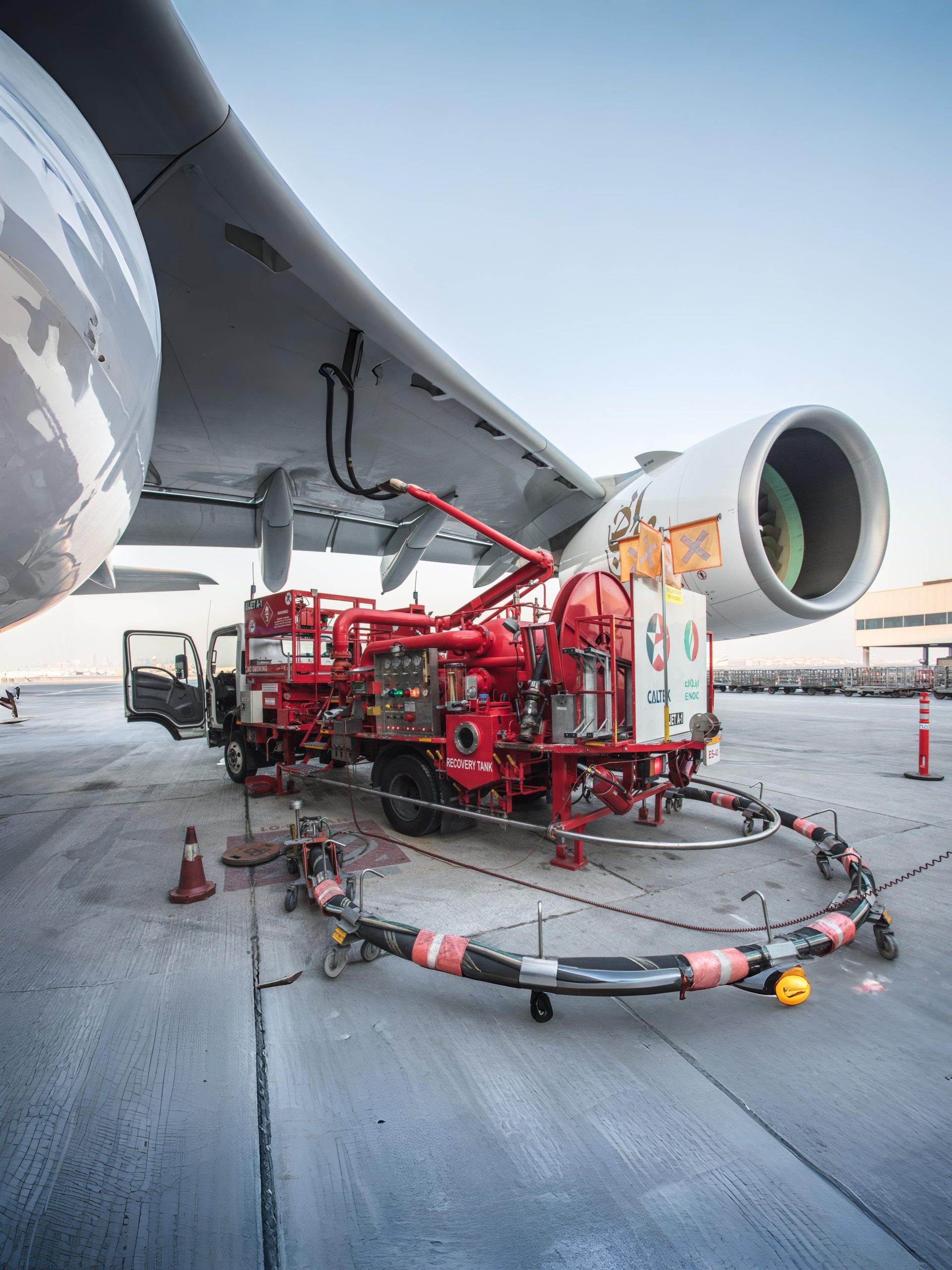
Industry data cited by NAN showed that the price of Jet A1 rose from about ₦900 per litre in late February to as high as ₦3,300 per litre in some states by April, a development that analysts say now accounts for between 45 and 50 per cent of total airline operating costs.
The Airline Operators of Nigeria attributed part of the increase to global crude oil market disruptions linked to geopolitical tensions in the Middle East, although several aviation stakeholders insist domestic market distortions have significantly worsened the situation.
President of the Aircraft Owners and Pilots Association Nigeria, Dr. Alex Nwuba, told NAN that Nigerian airlines may have overpaid by more than ₦150 billion on aviation fuel between February and April 2026 alone.
According to him, Nigeria consumes roughly 14,100 barrels of aviation fuel daily, translating to approximately 2.24 million litres required to sustain domestic flight operations and keep airline networks functioning.
“When fuel prices behave normally, this is manageable, but when prices break away from global reality, the consequences become catastrophic,” Nwuba said, warning that the excessive cost burden threatens salaries, aircraft maintenance, safety investments, fleet expansion plans, and the long-term survival of airlines.
He argued that no private investor or airline could sustainably absorb such financial pressure, adding that the aviation sector had effectively absorbed in three months a financial shock comparable to what government allocates to ministries annually.
NAN reports that retired Air Commodore Ademola Onitiju, President of the Aviation Safety Roundtable Initiative, also challenged the narrative that the crisis was solely driven by Middle East tensions. In an appeal addressed to President Bola Tinubu, Aviation Minister Festus Keyamo, and the National Assembly, Onitiju described the situation as a deepening domestic market problem requiring urgent intervention.
He explained that global benchmark pricing during mid-April suggested aviation fuel parity should have been around ₦1,559 per litre at prevailing exchange rates, yet depot prices in Nigeria surged to between ₦3,000 and ₦3,300 per litre, almost double expected parity levels even after accounting for logistics and exchange volatility.
According to NAN, Onitiju further warned that the aviation industry now faces a dangerous chain reaction involving debts, concessions, and operational instability across agencies, ground handling companies, concessionaires, and service providers.
He stressed that if airlines collapse under the financial burden, the wider aviation ecosystem would also suffer severe consequences, including loss of jobs, collapse of airport revenues, and disruptions to supply chains.
To stabilise the sector, Onitiju proposed a time-bound Jet A1 refund mechanism, six months of negotiated aviation fuel supply arrangements, emergency bridge financing for airlines, and temporary relief measures for service providers and concessionaires.
He also advocated the creation of a neutral reconciliation platform to coordinate payments, concessions, and industry support mechanisms transparently while urging government to pursue broader reforms in the aviation charging ecosystem and energy pricing framework.
Meanwhile, President of the Airline Operators of Nigeria, Dr. Abdulmunaf Yunusa Sarina, accused fuel marketers of driving excessive price increases that, according to him, were inconsistent with global crude oil movements.
The Nigerian Midstream and Downstream Petroleum Regulatory Authority subsequently intervened after meetings convened by the Ministry of Aviation and Airspace Management on April 22 and 23 involving aviation agencies, airline operators, and fuel marketers.
NAN reports that the regulator later announced indicative Jet A1 price ranges of between ₦1,760 and ₦1,988 per litre in Lagos, and ₦1,809 to ₦2,037 per litre in Abuja, based on Platts average pricing between April 17 and April 23.
The agency explained that products sourced outside that pricing window could still attract higher costs due to continued global volatility linked to tensions involving the United States and Iran, as well as varying operational costs among suppliers.
Among the recommendations adopted by the technical committee were direct fuel sales from marketers to airlines, consultative engagements to resolve outstanding debts, and consideration of a 30-day credit facility for airlines purchasing aviation fuel.
According to NAN, Aviation Minister Festus Keyamo described the intervention as part of the Federal Government’s broader effort to stabilise airline operations and protect the sustainability of domestic air transport services.
Passengers are already feeling the impact. One-way domestic airfares on major routes now average between ₦200,000 and ₦250,000, placing additional financial pressure on travellers and businesses.
A frequent traveller identified simply as Mr. Babatunde told NAN that the rising cost of aviation fuel had made air travel increasingly discouraging and called for urgent government and industry action to resolve the crisis.
Analysts continue to urge all stakeholders to intensify efforts aimed at lowering aviation fuel prices to ease pressure on airlines, reduce ticket costs for passengers, and prevent deeper disruptions across Nigeria’s aviation industry.