







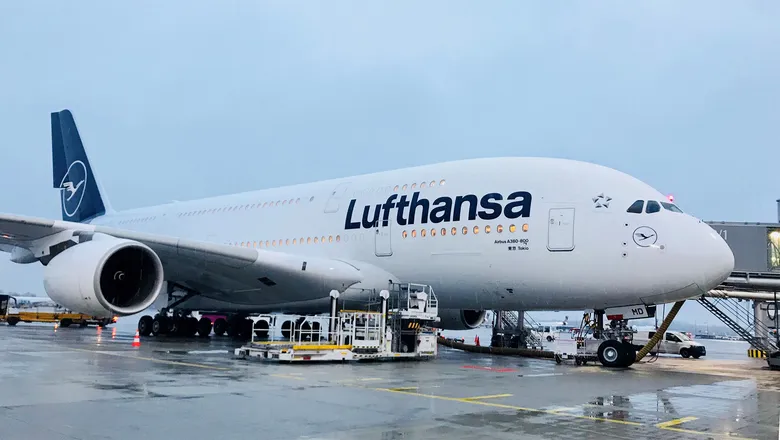
Germany’s flagship carrier, Lufthansa, has begun grounding parts of its fleet as surging jet fuel prices linked to the ongoing Iran conflict intensify financial pressure on global airlines, marking one of the most decisive responses yet by a major carrier to the crisis.
The airline confirmed it will withdraw dozens of aircraft from active service, starting with 27 regional jets operated by its CityLine subsidiary, as part of immediate cost-containment measures. Additional fleet reductions are planned later in the year, including the phased removal of older long-haul aircraft such as Airbus A340-600s and Boeing 747-400s, alongside some medium-haul jets.
Lufthansa said the move is driven primarily by the sharp rise in kerosene prices, which has significantly increased operating costs, particularly for older and less fuel-efficient aircraft. The airline noted that accelerating the retirement of such planes would reduce exposure to volatile fuel markets and improve overall cost efficiency.
The decision comes despite the group maintaining a relatively strong fuel hedging position, with around 80 percent of its consumption already secured. However, the scale and speed of recent price increases have forced the airline to fast-track restructuring measures that were previously planned for gradual implementation.
Chief Financial Officer Till Streichert described the cuts as unavoidable under current market conditions, stressing that the crisis has compelled the airline to act sooner than anticipated to protect its financial stability.
Beyond fleet reductions, Lufthansa is also expected to scale back services across parts of its network after the summer season, aligning capacity with evolving demand patterns and cost realities. The restructuring has, however, drawn concern from labour unions, which argue that the measures could have implications for jobs despite assurances that affected crew members will be accommodated within the wider Lufthansa Group.
The grounding of aircraft underscores the growing strain on airline economics as fuel costs surge, forcing carriers to reassess fleet composition, route networks, and long-term profitability strategies in an increasingly uncertain operating environment.