







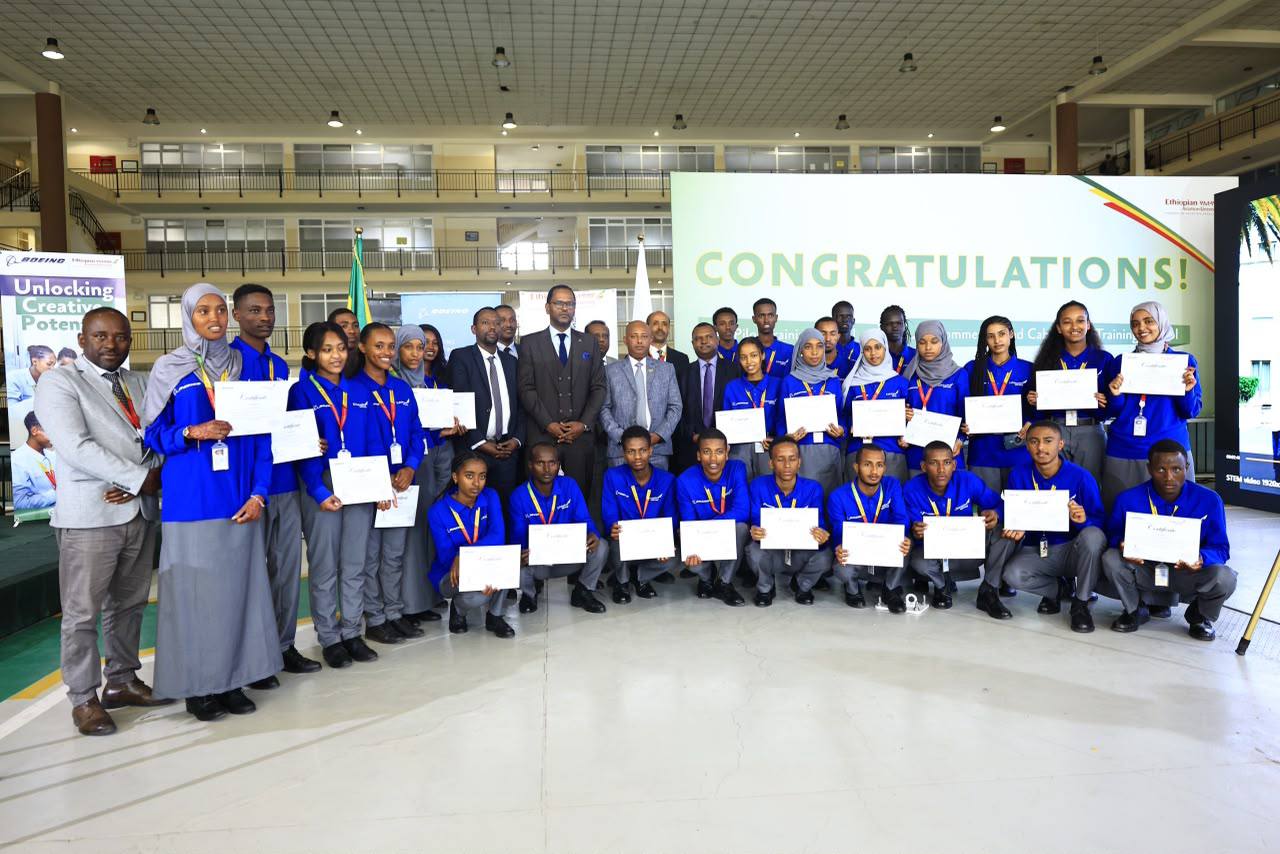
Ethiopian Airlines and Boeing have completed the fourth edition of their STEM School programme, giving a new generation of Ethiopian students practical exposure to aviation, engineering and emerging technologies.
Held from July 13 to August 21 at the Ethiopian Aviation University in Addis Ababa, the six-week programme brought together Grade 11 students from across Ethiopia, with young women accounting for half of the 2026 cohort.
The initiative delivered more than 300 hours of immersive learning, combining classroom instruction with job shadowing, mentorship, career talks and field visits to aviation facilities. Designed to bridge the gap between education and the workplace, the programme gave students a firsthand look at the skills and career opportunities available across the aviation industry.
Students were introduced to digital technologies including coding, robotics, artificial intelligence and virtual reality, alongside essential workplace skills such as communication, teamwork, problem-solving and collaboration.
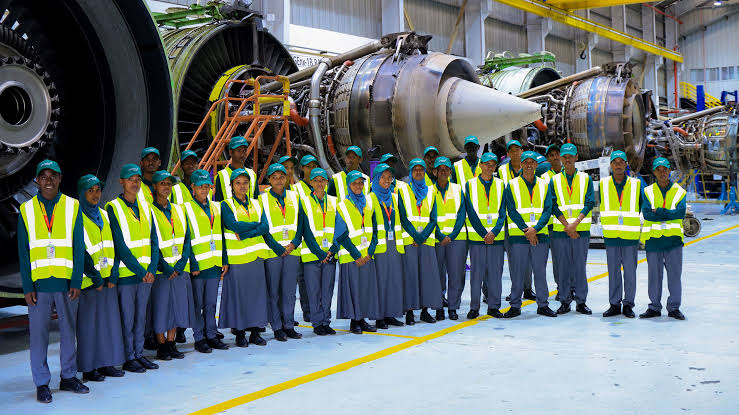
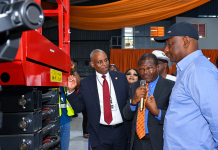
The programme also drew on Ethiopian Airlines’ extensive operational expertise. Participants visited the airline’s cargo and maintenance, repair and overhaul facilities, as well as the Ethiopian Aviation University, gaining practical insight into how aircraft are maintained, inspected and operated.
For 18-year-old participant Yoftahe Belete, the experience offered a glimpse into the technical side of aviation that is rarely accessible to students at his age.
“We observed how airplanes are maintained, undergo multiple inspections, and how technicians take care of them,” he said.
Beyond technical training, the programme encouraged students to explore the wider world of science and innovation through educational visits to the National Palace Museum, Addis Ababa Science and Technology University and the Ethiopia Science Museum.
At the Science Museum, students explored an aerospace exhibition featuring a Boeing 787 Dreamliner flight simulator, a replica of the Starliner spacecraft, detailed models of NASA’s Space Launch System rocket and the International Space Station’s Cupola module.
Ethiopian Airlines Group CEO Mesfin Tasew described the programme as an investment in the country’s future, emphasising the importance of equipping young people with skills that can help them navigate a rapidly changing economy.
“Working on youth education is a direct investment in Ethiopia’s future,” Tasew said, adding that the initiative is helping prepare young people to become future leaders and innovators.
Boeing’s managing director for Africa, Henok Teferra Shawl, said the programme comes at a critical time for the continent’s aviation industry, which is expected to require an estimated 75,000 additional aviation professionals over the next two decades.
“At a time when Africa will need an estimated 75,000 new aviation professionals over the next 20 years, Ethiopia’s rapid expansion of fleet, network and infrastructure is setting the pace,” Shawl said.
He added that the partnership between Boeing and Ethiopian Airlines is helping create a community of future aviation leaders who can contribute to the continued development of Ethiopia and Africa’s aerospace industry.
The programme’s impact also extends beyond each annual cohort. Alumni from previous editions return to share their experiences, mentor new participants and strengthen a growing network of young people interested in STEM and aviation careers.
Since its launch in 2023, the STEM School has reached more than 100 Ethiopian students, including 28 participants in this year’s programme. Delivered in coordination with Ethiopia’s Ministry of Education, the initiative supports the country’s broader efforts to strengthen science, technology and engineering education.
As Ethiopia continues to expand its aviation infrastructure and global connectivity, programmes such as the STEM School are helping ensure that the country’s young people are prepared to play a central role in shaping the next chapter of its aviation story.