






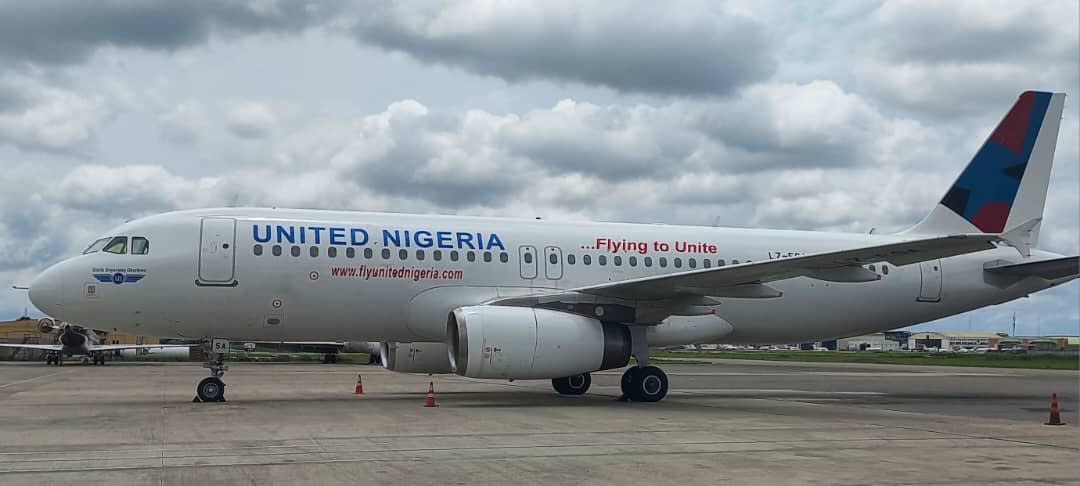
United Nigeria Airlines is seeking to raise up to ₦20 billion through short-term commercial paper, even as rising operating costs, mounting debt and a ₦13.35 billion first-half loss raise questions about the airline’s financial position and its ability to meet future repayment obligations.
The Enugu-based carrier has opened two series under its ₦100 billion commercial paper programme, with maturities of 270 and 364 days, to finance working capital requirements, according to a September 2026 investor presentation reviewed by MoneyCentral.
The proposed fundraising comes after a sharp reversal in the airline’s financial performance. United Nigeria Airlines reported a profit after tax of ₦23.8 billion in 2025 on revenue of ₦90.8 billion, delivering a net profit margin of 26.2 per cent. Its gross margin also improved to 38.3 per cent from 19.1 per cent in the previous period.
However, the first six months of 2026 presented a markedly different picture. Revenue climbed to ₦97.7 billion, exceeding the airline’s total revenue for the whole of 2025, but direct operating costs rose even faster, reaching ₦99.8 billion. The resulting gross loss stood at ₦2.1 billion, while the net loss widened to ₦13.35 billion, according to unaudited management accounts.
The deterioration was particularly pronounced in the second quarter. Revenue declined by 4.8 per cent compared with the first quarter, while passenger numbers fell by 10 per cent to 324,980. Direct operating costs climbed to 118 per cent of revenue, contributing to a quarterly loss of ₦15.3 billion that erased the profit recorded in the first three months of the year.
Management attributed much of the pressure to the surge in aviation fuel prices following the Iran-US conflict. According to the airline, Jet A-1 prices rose from approximately ₦900 per litre to ₦2,800 between March and mid-June, without a corresponding increase in airfares.
Fuel expenditure reached ₦43 billion in the first half, against a budget of ₦25.7 billion. Spending on fuel rose by 49 per cent between the first and second quarters, reaching ₦25.9 billion in the latter period. Aircraft lease costs added another ₦40.8 billion to the airline’s expenses over the six months.
The pressure on earnings has coincided with a substantial expansion of the airline’s balance sheet. Borrowings increased to ₦115.5 billion at the end of June from ₦5 billion at December 2025, while total assets more than doubled to ₦167.3 billion.
The investor presentation indicates that the additional borrowing supported aircraft acquisition, with the value of owned aircraft on the balance sheet rising to ₦119 billion from ₦10.2 billion at the end of 2025. The airline secured financing of approximately ₦72 billion from Zenith Bank, ₦36 billion from Fidelity Bank and ₦5 billion from the Bank of Industry.
Despite the expansion, the cost of servicing the debt has become a growing concern. Finance costs rose to ₦6.29 billion in the second quarter, compared with ₦173 million in the first. The airline’s debt-to-equity ratio also increased to approximately 4.5 times and could reach about 5.3 times if the proposed commercial paper is issued, based on MoneyCentral’s calculations.
Cash balances stood at ₦15.1 billion at the end of June, below the amount the airline is seeking to raise through the commercial paper offer. This places greater emphasis on its ability to generate cash from operations, manage working capital and refinance or repay maturing obligations.
Questions have also been raised about the quality of reported earnings and the information available to prospective investors. The airline’s 2025 operating cash flow was ₦15.1 billion, approximately 63 per cent of its reported net income, while receivables increased to ₦31.9 billion. These receivables included an ₦18.2 billion item described as a “loan refund receivable”, which the report did not explain.
The first-half 2026 figures are unaudited management accounts and do not include a comparative first-half 2025 performance or an auditor’s review, limiting the information available to investors seeking to assess the scale and sustainability of the deterioration.
The involvement of Quantum Zenith Capital & Investments, an affiliate of Zenith Bank, among the issuing houses may also attract scrutiny because Zenith is the airline’s largest disclosed lender. The relationship is a potential governance consideration for investors, although the available information does not establish that a conflict of interest has occurred.
Despite the financial pressure, United Nigeria Airlines retains some growth prospects. It carried 686,256 passengers in the first half of 2026, exceeding its total passenger numbers for 2025, and operated 6,852 flights, the second-highest figure among Nigerian carriers in the period, behind Air Peace’s 7,687.
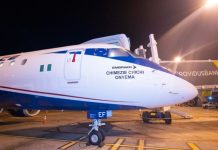
Two additional Boeing 737-800 aircraft entered service in July, while management said fuel prices had since normalised. The airline also holds IOSA safety certification and has approval to serve six international destinations, offering potential avenues for network expansion.
The key question is whether increased capacity and passenger traffic can translate into stronger operating margins and sustainable cash generation. For an airline facing high financing costs and substantial debt repayments, growth alone may not be enough if operating expenses continue to outpace revenue.
The proposed commercial paper therefore comes at a pivotal point for United Nigeria Airlines. Investors must weigh its expansion plans and passenger growth against the sharp first-half reversal, rising borrowing costs and the need to repay short-term debt within a year.
Ownership remains concentrated, with Prof. Obiora Okonkwo holding approximately 95 per cent of the airline’s shares and Mazi Ositadinma Okonkwo holding the remaining 5 per cent, according to the investor information cited in the report.
For prospective investors, the central consideration is whether the airline can restore profitability and strengthen its cash flow before the new obligations fall due. The outcome will depend on the pace of cost recovery, the performance of its expanded fleet and its ability to turn growing passenger demand into reliable financial returns.