








Côte d’Ivoire has taken a significant step toward making air travel more affordable and strengthening regional aviation connectivity after approving a 25 per cent reduction in passenger and aviation security charges for flights within the Economic Community of West African States (ECOWAS).
The measure was approved by the Ivorian government following a Council of Ministers meeting in April and is backed by a new decree amending provisions of Decree No. 2018-31 of January 17, 2018, which established aviation security charges and outlined the framework for their collection and distribution.
Beyond ECOWAS routes, the new decree introduces a broader reduction and harmonisation of aviation-related charges, including passenger, safety and security fees applicable to domestic services, flights across Africa outside the ECOWAS region, and international routes beyond the continent.
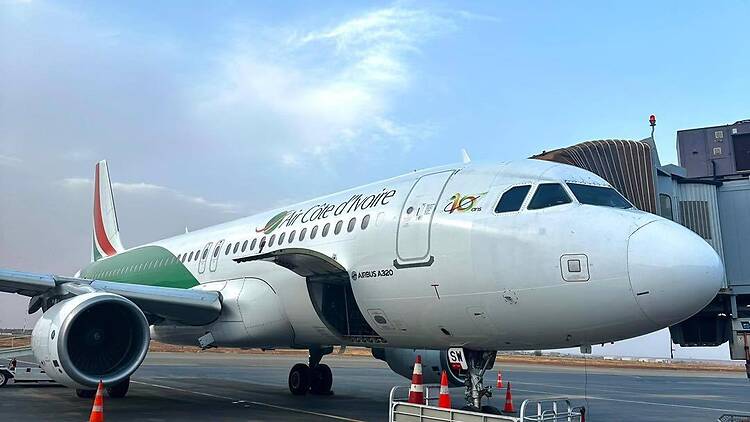
The government said the reform is aimed at improving the competitiveness of the country’s aviation sector, particularly national carrier Air Côte d’Ivoire, while enhancing the attractiveness and efficiency of airports serving public air transport operations.
The decision aligns with a regional aviation policy adopted by ECOWAS in December 2024, which called for the harmonisation of aviation taxes and charges across member states. Under the supplementary act, member countries were encouraged to eliminate certain air transport taxes and reduce passenger and security charges by 25 per cent beginning in January 2026.
While implementation of the directive has been slow across the region, Côte d’Ivoire has emerged as one of the first countries to fully align with the ECOWAS initiative, demonstrating its commitment to advancing regional air transport integration.
The move comes amid growing concerns over the high cost of air travel within Africa, where ticket prices often remain disproportionately expensive despite relatively short travel distances. Industry stakeholders have frequently attributed these costs to high government-imposed charges, restrictive market conditions and limited competition among airlines.
By reducing aviation charges, Côte d’Ivoire aims to support lower airfares, stimulate passenger demand, improve airline competitiveness and encourage stronger connectivity across West Africa. The policy is also expected to facilitate greater movement of people, trade and investment within the region, reinforcing the role of aviation as a key driver of economic integration and development.