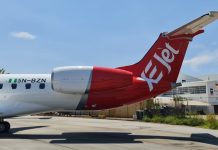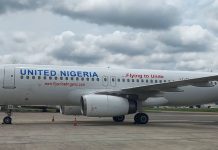









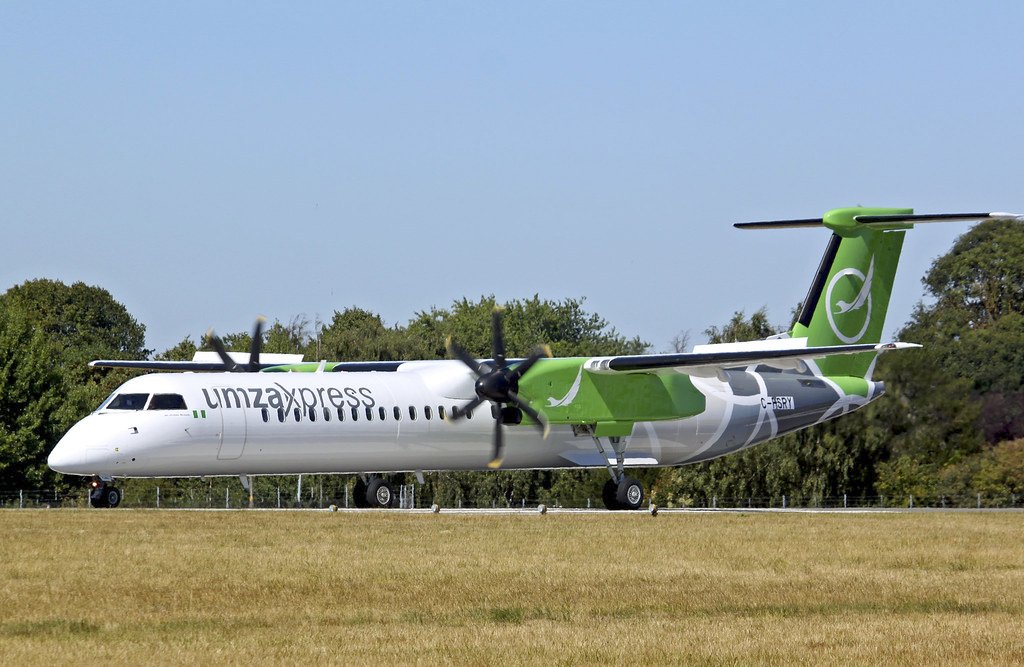
Umza Air is preparing to expand its operational capacity and strengthen its position in Nigeria’s aviation market through the acquisition of Airbus A320-200 and A340-600 aircraft, as the airline pursues plans to improve domestic connectivity and develop its international operations.
The airline’s Head of Commercial, Awotunde Adedeji, disclosed this during an engagement with members of the League of Airports and Aviation Correspondents (LAAC), where he outlined its fleet expansion plans, domestic network strategy and broader commercial objectives.
He said the airline had concluded a purchase agreement for the two aircraft types, describing the development as a significant step towards increasing capacity and diversifying its services. The A320-200 aircraft will support scheduled commercial operations, while the A340-600 is earmarked for the airline’s 2027 Hajj operations and subsequent pilgrimage seasons.
Adedeji said the expansion was part of Umza Air’s long-term ambition to build a competitive and commercially sustainable airline, with its strategy centred on affordable fares, improved connectivity and operational reliability.
He explained that the airline was conscious of the financial pressures facing Nigerian travellers and aimed to provide competitive pricing without compromising the standards required for safe and dependable services.
On its domestic network, Adedeji said Umza Air currently serves nine destinations: Abuja, Kano, Birnin Kebbi, Maiduguri, Yola, Sokoto, Lagos, Ilorin and Gombe.
He said the airline was particularly focused on strengthening connections between Lagos and major cities in northern Nigeria, citing passenger demand from business travellers, government officials, families and others travelling for economic and personal engagements.
According to him, route development would be guided not simply by the number of destinations added but by passenger demand, market viability and the flight frequencies required to serve each market effectively.
The commercial manager also identified rising operating expenses, foreign exchange pressures, aircraft maintenance costs, infrastructure limitations and increasing aviation service charges as major challenges confronting Nigerian airlines. He noted that these pressures affected operators’ ability to balance commercial sustainability with the need to keep fares affordable.
He called for stronger cooperation among airlines, regulators, airport authorities and service providers to address industry-wide constraints and improve the operating environment.
On media relations, Adedeji described aviation journalists as important stakeholders in shaping public understanding and confidence in the industry. He urged correspondents to maintain accuracy and fairness in their reporting, while assuring them that the airline welcomed constructive criticism.
He said Umza Air did not expect all coverage to be favourable, adding that objective scrutiny could help identify operational weaknesses and improve service delivery. He encouraged journalists to seek clarification from the airline when questions arose about its operations or commercial decisions.
Adedeji also pledged to maintain open communication with the media and provide timely information on developments concerning the airline.
The planned aircraft acquisition signals Umza Air’s intention to increase its capacity and broaden its market reach. However, the timing of delivery and the commencement of operations with the aircraft were not disclosed.
Resolve the organisation’s official nameStrengthen the lead with the news angle