







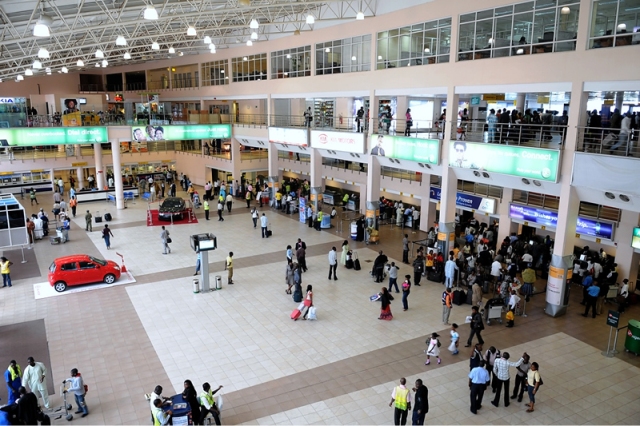
Bi-Courtney Aviation Services Limited (BASL), operator of the Murtala Muhammed Airport Terminal Two (MMA2), has begun a structured engagement programme with domestic airline partners aimed at strengthening operational efficiency and improving passenger experience ahead of projected traffic growth.
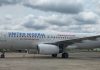
The initiative commenced with executive-level meetings between BASL’s management team and the leadership of United Nigeria Airlines, Aero Contractors, and ValueJet Airlines. Discussions focused on operational performance during the December peak travel season, emerging passenger demand trends, and how terminal operations can better support airlines’ expansion plans.
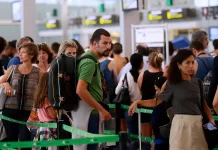
During the sessions, United Nigeria Airlines outlined its fleet growth strategy for 2026 and stressed the need for terminal capacity, infrastructure upgrades, and operational coordination to scale in line with airline expansion. Aero Contractors and ValueJet Airlines raised similar concerns, highlighting crowd management and faster passenger processing as critical to maintaining service quality during high-traffic periods.
Responding, BASL’s management, led by Acting Chief Operating Officer and Head of Aeronautical and Cargo Services, Remi Jibodu, acknowledged that passenger flow patterns at MMA2 have evolved significantly since the terminal began operations nearly two decades ago. He said BASL is implementing both immediate and medium-term interventions to stabilise operations and deliver a more seamless passenger journey.
Short-term measures include the deployment of mobile check-in counters during peak periods, reinforcement of crowd control systems, and the addition of manpower across security screening and baggage handling points. These steps, BASL said, are designed to ease congestion and reduce processing times during high-demand windows.
On the medium-term horizon, BASL outlined plans to introduce an International Air Transport Association (IATA)-aligned slot coordination framework to better match airline schedules with terminal and airside capacity. Other initiatives discussed include the reintroduction of self-service check-in kiosks, apron decongestion measures, stricter aircraft parking discipline—potentially supported by a progressive fee structure—and upgrades to baggage handling systems.
The engagements also explored improved data sharing and coordinated communication, with BASL proposing a digital platform that would provide airlines and stakeholders with real-time operational updates to enhance transparency and planning.
BASL said continued collaboration with airline partners will remain central to its strategy, noting that all proposed measures are intended to balance operational efficiency, airlines’ commercial objectives, and a consistently improved passenger experience at MMA2.