





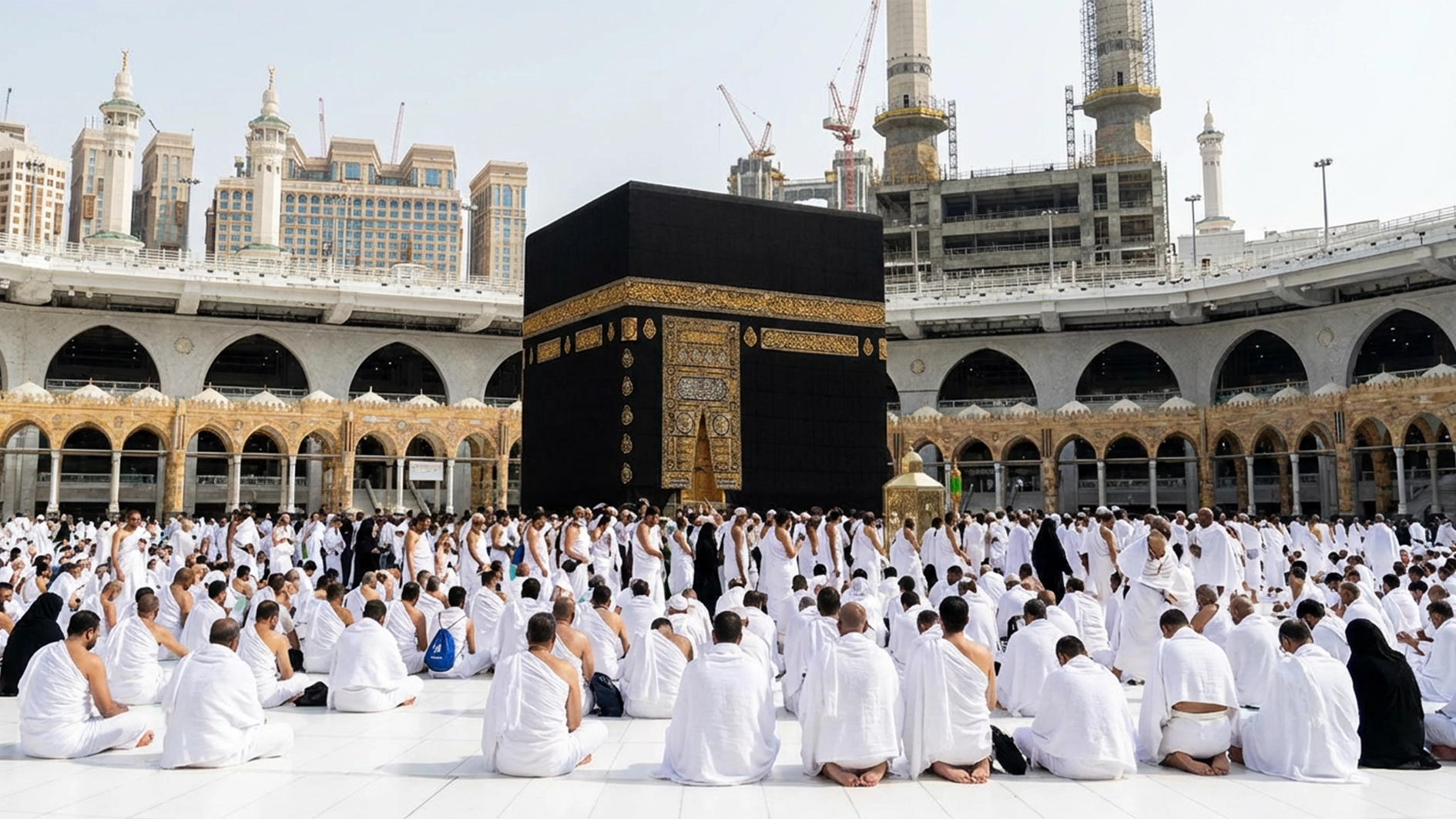
Stakeholders in Nigeria’s aviation sector are raising fresh concerns over the impact of surging aviation fuel prices on the 2026 Hajj operations, warning that without urgent government intervention, the airlift of thousands of pilgrims could face significant disruption.
Under the aegis of Concerned Aviation Stakeholders, the group said the sharp escalation in the cost of Jet A1 is creating severe financial and logistical pressure for airlines contracted to handle the annual pilgrimage. In a statement, the group’s president, Bukalti Usman Gamawa, explained that most carriers rely on leased aircraft to meet Hajj capacity, but the current fuel pricing environment has eroded projected margins and, in some cases, may force airlines to operate at a loss.
He noted that when Hajj contracts were negotiated, aviation fuel in Nigeria sold for about ₦1,000 per litre, but prices have since climbed to as high as ₦3,000 across major departure hubs including Abuja, Lagos, Kano, Maiduguri, Yola, Sokoto, and Birnin Kebbi. This represents a steep increase that has significantly altered cost projections and placed airlines in a difficult position.
According to the group, the situation presents a three-way dilemma: airlines can absorb the cost and risk losses, pass it on to pilgrims through higher fares, or rely on government intervention to stabilise the market. Without coordinated action, stakeholders warn that Hajj fares could rise sharply or, in a worst-case scenario, some operators may be unable to commence or complete operations.
The challenge is further compounded by rising fuel prices on the Saudi side, where Jet A1 costs have reportedly increased from about $0.68 to roughly $1.40 per litre. This creates a dual burden for airlines, as outbound flights may benefit from potential local interventions, but return journeys require fuel purchases at prevailing international rates in foreign currency.
While Nigeria no longer provides direct subsidies for Hajj operations, stakeholders are calling for targeted policy responses, including pricing regulation, foreign exchange support, or strategic fuel supply arrangements to prevent a breakdown in operations. They stress that timely intervention and collaboration among government agencies, regulators, airlines, and fuel suppliers will be critical to ensuring a smooth and affordable Hajj exercise in 2026.