








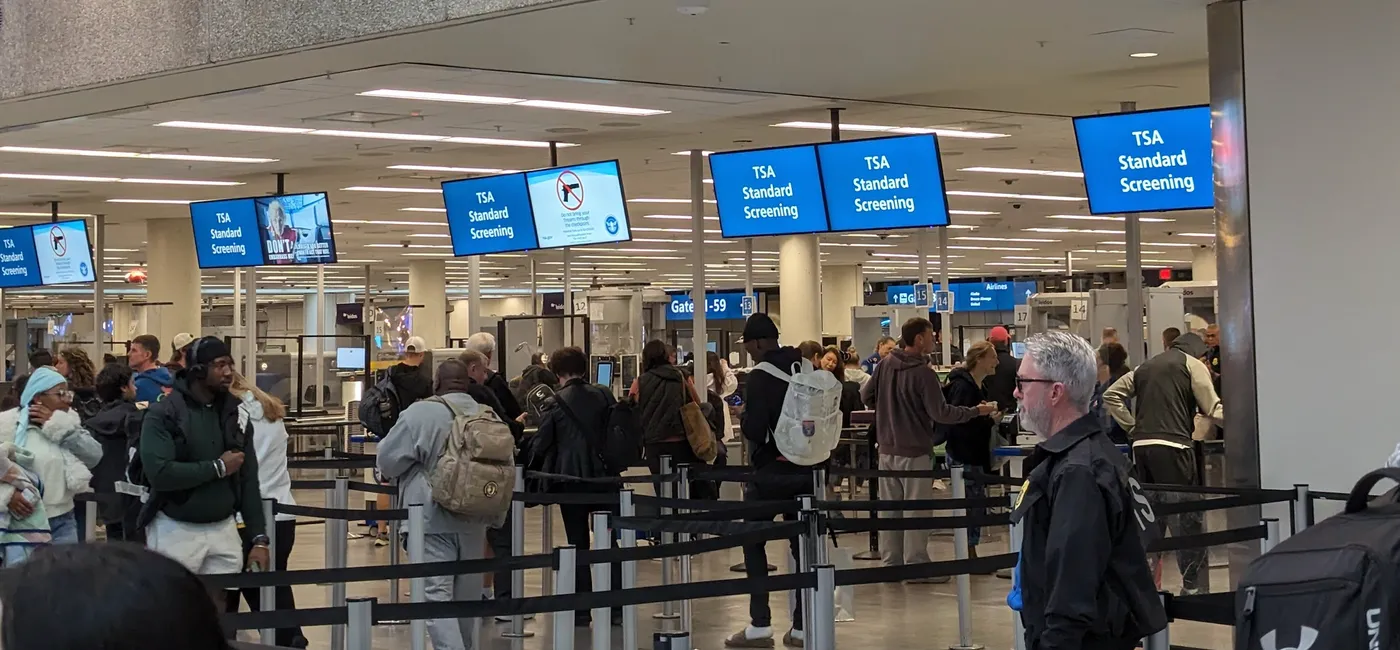
The United States government has warned that some airports, particularly smaller ones, could be forced to shut down if the ongoing funding standoff continues to disrupt aviation security operations.
A senior official from the Transportation Security Administration said the prolonged budget impasse has left about 50,000 airport security officers working without pay for over a month, significantly affecting staff availability across the country. Rising absenteeism among screeners is now threatening the ability of some airports to maintain minimum security operations.
According to the Department of Homeland Security, absence rates have climbed to around 10 percent nationwide, far above the typical level of under two percent. At some major airports, the situation is more severe, with absentee rates exceeding 30 percent in key locations, leading to long passenger queues and operational strain.
Acting Deputy Administrator of the TSA, Adam Stahl, warned that if the situation persists, authorities may have no choice but to shut down certain airports. He noted that smaller airports, which often operate with a single security checkpoint, are particularly vulnerable because they lack the flexibility to redistribute staff or scale down operations.
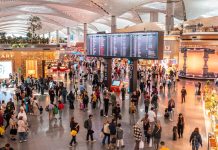
While larger hubs may attempt to cope by closing some screening lanes and consolidating passenger flow, the strain is already evident, with reports of travellers facing delays of up to two hours at security checkpoints. The pressure comes at a critical time, as the country prepares for a busy spring travel season expected to see record passenger numbers.
The crisis stems from a prolonged government funding deadlock in Washington, which has halted pay for federal workers, including TSA personnel. Mike Johnson warned that airports are nearing a breaking point as the standoff drags on without resolution.
The situation has also raised concerns within the aviation industry, with airline executives urging policymakers to resolve the impasse quickly to avoid widespread disruption. Previous shutdowns have led to flight cuts and operational challenges, and there are fears that a repeat scenario could unfold if staffing shortages worsen.
In response to the crisis, some airports have reduced the number of open security checkpoints, while others are taking steps to support unpaid workers. However, officials caution that these measures may not be sustainable if the funding gap continues.
With passenger demand expected to rise and staffing levels under pressure, the unfolding situation underscores the vulnerability of critical aviation infrastructure to political and fiscal uncertainty, with potential ripple effects for travellers across the United States and beyond.