









Airlines and airports are facing a growing challenge in converting travel interest into actual bookings, as passenger anxiety, operational disruptions and increasingly complicated border procedures discourage people from flying. New industry findings suggest that improving the travel experience through technology could be critical to restoring demand, strengthening customer confidence and unlocking additional revenue across the aviation value chain.
A 2026 passenger survey by air transport technology provider SITA found that 42 per cent of travellers had decided against taking a trip because they expected the experience to be too stressful. The findings, drawn from nearly 8,000 passengers across 24 countries, highlight the commercial consequences of travel-related anxiety, with eight in 10 respondents believing technology could help make air travel less stressful.
The impact is particularly significant among passengers who represent important sources of future airline revenue. SITA’s findings show that six in 10 frequent flyers have abandoned travel plans because of anticipated stress. More than half of travellers under 30 have also done so, raising concerns for airlines seeking to attract the next generation of regular passengers. Yet these groups are among the most optimistic about technology’s ability to improve the experience, with 89 per cent of frequent flyers and 86 per cent of younger travellers expressing confidence in digital solutions.
SITA Chief Executive Officer David Lavorel said much of the anxiety stems from uncertainty surrounding flight delays, airport queues and baggage handling. He argued that better information-sharing among airlines, airports, ground handlers and border authorities could help passengers understand what to expect at each stage of their journey.
Mobile alerts, live updates on waiting and walking times, and artificial intelligence systems capable of monitoring journeys and notifying passengers when plans change are among the technologies that could make a difference. Four in 10 passengers surveyed said they would accept real-time travel updates from AI, suggesting growing readiness to rely on automated tools for journey information.
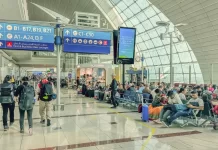
For airports, reducing uncertainty could also improve how passengers use time between security screening and boarding. SITA found that anxiety in this part of the airport journey has increased significantly, with one in three passengers now reporting feelings of anxiety, three times the proportion recorded in 2023. Lavorel said shorter queues and timely information about boarding gates and walking distances could give travellers greater confidence and more time to use airport facilities, including shops, restaurants and lounges.
He added that passengers are generally more comfortable at check-in and boarding, where information is already available on their phones, and argued that the same level of visibility should extend across the entire journey, particularly when flights are rescheduled or gates change.
The findings also point to a wider challenge beyond airport operations: increasingly complex immigration and border procedures are discouraging international travel. The International Air Transport Association’s (IATA) 2026 Global Passenger Survey found that 43 per cent of passengers had been discouraged from visiting a destination because of its immigration requirements, up from 33 per cent in 2025. The survey, based on more than 10,000 responses from over 200 countries, identifies administrative complexity as the leading concern, cited by 53 per cent of travellers deterred by entry requirements. Privacy concerns and cost were each cited by 17 per cent.
The findings suggest that travel friction begins well before passengers arrive at the airport. Visa application procedures, documentation requirements and uncertainty about entry conditions can influence destination choices and prevent potential journeys from becoming bookings.
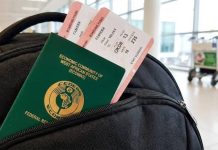
Passengers are, however, signalling a willingness to embrace digital alternatives. IATA found that 86 per cent would be likely to share immigration information electronically before departure to speed up processing, while 45 per cent would prefer to complete immigration procedures before reaching the airport. Six in 10 also prefer to apply for visas online rather than visit an embassy or consulate in person.
IATA has called on governments to simplify entry requirements, eliminate duplicate checks and accelerate the adoption of secure digital travel credentials. The association has also highlighted the lack of consistency in how countries verify electronic visas, despite more than 100 countries issuing them. Common standards, it argues, would make it easier for airlines and border authorities to verify travel documents and deliver a more seamless passenger experience. <Cite refs={[“turn655560search0″,”turn655560search12”]}/>
The challenge is particularly relevant to Africa. IATA’s regional findings show that 52 per cent of African passengers had been discouraged from visiting a destination because of immigration requirements, the highest proportion among the regions surveyed. Complexity was the leading concern, followed by cost. At the same time, African travellers demonstrated strong interest in digital travel solutions: 87 per cent expressed interest in using a digital passport for online check-in, while 82 per cent were willing to share biometric information to avoid repeatedly presenting travel documents at airport checkpoints. <Cite refs={[“turn655560search0”]}/>
The contrast highlights an opportunity for African governments, airlines and airport operators to reduce administrative barriers while improving the use of technology across the travel process. Although biometric adoption in Africa remains below the global average, passenger interest suggests considerable potential for digital identity systems and more efficient border procedures.
SITA’s Lavorel maintained that reducing passenger stress should be viewed not only as a customer-service objective but also as a commercial priority. Better travel experiences can help airlines retain bookings, while giving airports more opportunities to generate revenue from passengers who have greater confidence and time to spend within terminals.
As airlines compete for passengers in an increasingly demanding travel market, the message from both SITA and IATA is that improving connectivity alone may not be enough. Making journeys easier to plan, navigate and complete, from visa applications and border checks to airport transfers and boarding, will be essential to restoring passenger confidence and encouraging more people to travel.