









Air travellers in Nigeria may soon face higher ticket prices for both domestic and international flights as rising global jet fuel costs continue to squeeze airline finances, industry analysts have warned.
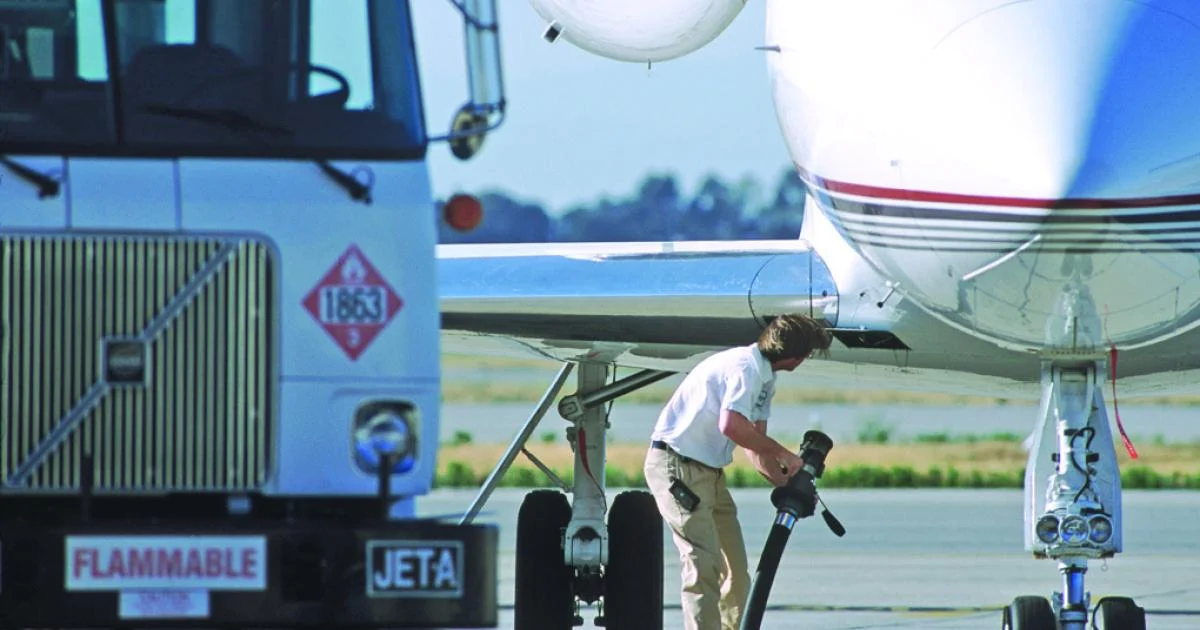
The concern comes shortly after the Airline Operators of Nigeria revealed that the price of Jet-A1 in Nigeria surged from about N1,000 per litre to roughly N1,800 within two weeks, an increase of about 80 percent. Aviation fuel remains the largest cost component for airlines, typically accounting for 30 to 35 percent of total operating expenses.
The spike is linked to disruptions in global oil supply caused by the ongoing tensions in the Middle East, which have pushed up crude oil prices and consequently increased the cost of refined aviation fuel worldwide. For Nigerian airlines, which already operate in a high-cost environment, the surge is adding pressure to an industry still recovering from economic volatility and currency challenges.
Industry operators say many domestic carriers have so far avoided passing the full cost burden to passengers, but warn that fare adjustments could become inevitable if the situation persists. Higher fuel prices could therefore translate into more expensive domestic flights in the coming weeks while also affecting international travel from Nigeria.
Across Africa, airlines are facing similar challenges as the price of aviation fuel rises. Carriers operating long-haul routes are particularly exposed because wide-body aircraft consume significantly more fuel than short-haul jets. Analysts say the pressure could eventually lead to higher fares, additional fuel surcharges, or adjustments to flight schedules across several African markets.
Globally, the aviation industry is also bracing for the ripple effects of the energy price surge. The conflict in the Middle East has disrupted oil shipments and created uncertainty around major export routes, including the strategically important Strait of Hormuz, through which about one-fifth of the world’s oil supply passes. Attacks on commercial shipping and energy infrastructure in the region have further complicated supply flows.
Data from the Argus Media show that the average jet fuel price in the United States recently climbed to about $3.99 per gallon, compared with around $2.50 before the latest escalation in the conflict. Such increases are expected to gradually filter through to airline ticket prices as carriers adjust to higher operating costs.
Airlines outside the United States have already begun introducing fuel surcharges to offset rising costs. Among those adjusting fares are Cathay Pacific, which announced higher fuel surcharges, while Air France‑KLM has indicated that long-haul economy fares could increase. Other airlines including Air India and Hong Kong Airlines have also introduced additional fuel charges on some routes.
Major U.S. carriers are expected to respond differently because they typically do not impose separate fuel surcharges. Instead, rising fuel costs are usually incorporated into base ticket prices or ancillary fees such as seat upgrades, baggage charges and priority boarding.
Industry executives say the impact may be most noticeable on long-haul international routes, which consume significantly more fuel and are therefore more sensitive to price volatility. Some airlines are also facing higher costs due to flight rerouting around parts of the Middle East where airspace restrictions have forced longer flight paths and increased fuel burn.
Despite the pressures, aviation analysts note that not all airlines are equally exposed to sudden fuel price spikes. Some carriers use fuel hedging strategies that allow them to lock in fuel prices months or years in advance, though such protection typically covers only a portion of their consumption.
For travellers, the timing of the fuel surge is particularly significant as airlines prepare for the peak summer travel season in Europe and North America, when demand for international flights typically rises sharply. If fuel prices remain elevated, airlines may increase fares during this period to protect their margins.
Experts advise passengers planning international trips from Nigeria or other African markets to consider booking flights earlier rather than waiting for last-minute deals. Flexible travel dates, monitoring fare alerts and using loyalty points or travel rewards could also help reduce the impact of potential price increases.
While the full effect of the fuel surge remains uncertain, analysts say the trend highlights how closely aviation costs are tied to global energy markets. For travellers in Nigeria, Africa and beyond, the coming months could determine whether rising jet fuel prices translate into significantly higher airfares for both regional and long-haul travel.