









Domestic airlines in Nigeria are facing growing financial strain following a sharp increase in the price of aviation fuel, with industry operators warning that the situation may soon become unsustainable if the trend persists.
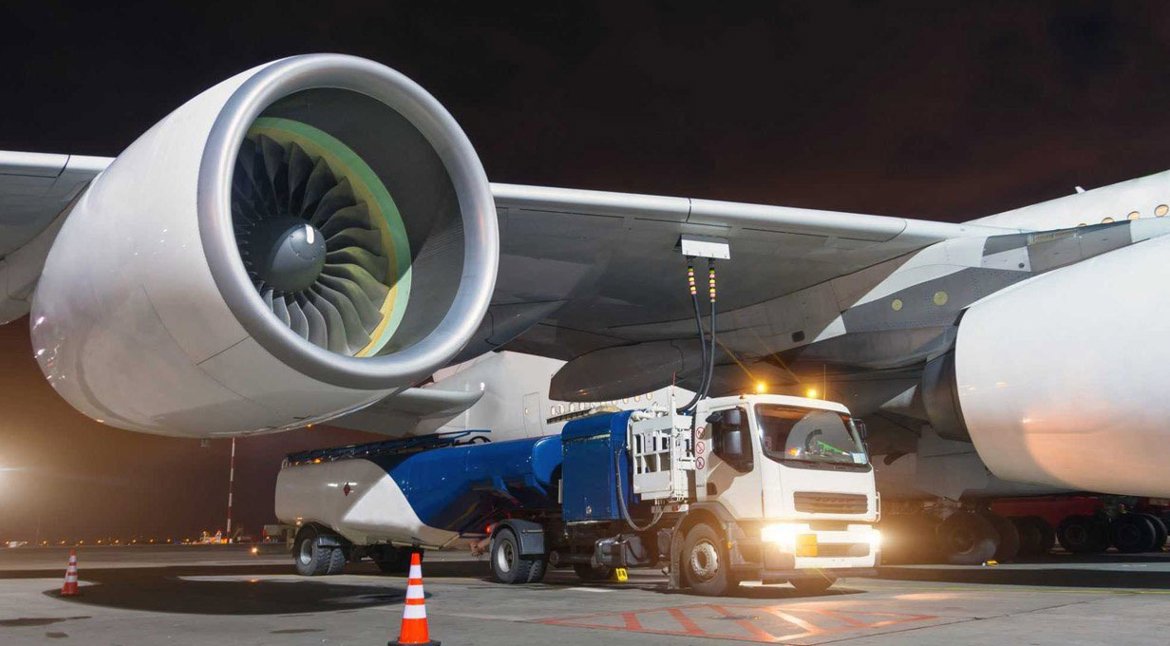
The Airline Operators of Nigeria disclosed that the price of Jet-A1, the aviation fuel used by commercial aircraft, has risen from about N1,000 per litre two weeks ago to roughly N1,800 per litre across many parts of the country, representing an increase of about 80 percent within a short period.
Industry stakeholders attribute the spike largely to developments in the global energy market, particularly the ongoing tensions in the Middle East that have pushed up international fuel prices. Aviation fuel remains the single largest cost component in airline operations, typically accounting for between 30 and 35 percent of total operating expenses.
Speaking on Channels Television, the spokesperson for the Airline Operators of Nigeria, Obiora Okonkwo, said the sudden rise in fuel costs has placed airlines under intense financial pressure.
According to him, most domestic carriers have so far avoided transferring the additional costs directly to passengers despite the heavy impact on their operations. He noted that airlines are currently absorbing the losses in order to avoid worsening the economic burden on travellers.
Okonkwo explained that airlines are effectively operating at very low or non-profitable ticket prices as they attempt to keep services running. He warned, however, that the approach may not be sustainable if fuel prices continue to rise without any intervention.
He added that while airlines remain sensitive to the financial realities facing Nigerian travellers, fare adjustments may eventually become unavoidable if operating costs continue to escalate.
The AON spokesperson also expressed hope that developments in the global oil market, including the release of strategic crude reserves, could help moderate prices in the coming weeks. He urged the Federal Government to explore collaboration with the Dangote Refinery as part of efforts to stabilise the supply of aviation fuel locally and reduce reliance on volatile international markets.
Okonkwo noted that the industry was in a far more difficult situation in previous years when Nigeria lacked operational refining capacity, adding that the presence of a local refinery offers an opportunity to address supply challenges if properly leveraged.
He warned that if the current spike persists for an extended period, some airlines may struggle to continue absorbing the losses associated with the rising cost of aviation fuel.
Okonkwo also responded to the recent decision by the Federal Competition and Consumer Protection Commission to sanction several airlines over allegations of price fixing. He maintained that while the commission has regulatory authority, the aviation sector remains deregulated and airlines determine fares independently based on their operational costs.
According to him, there is no coordinated effort among airlines to fix ticket prices, stressing that such an arrangement would amount to operating as a cartel. He explained that pricing structures vary widely because different airlines operate different aircraft types and face varying operational expenses.
He further noted that airlines are required to demonstrate financial viability to aviation regulators as a condition for maintaining their operating licences, urging policymakers and regulators to consider the fragile nature of the aviation industry when taking decisions that affect the sector.