








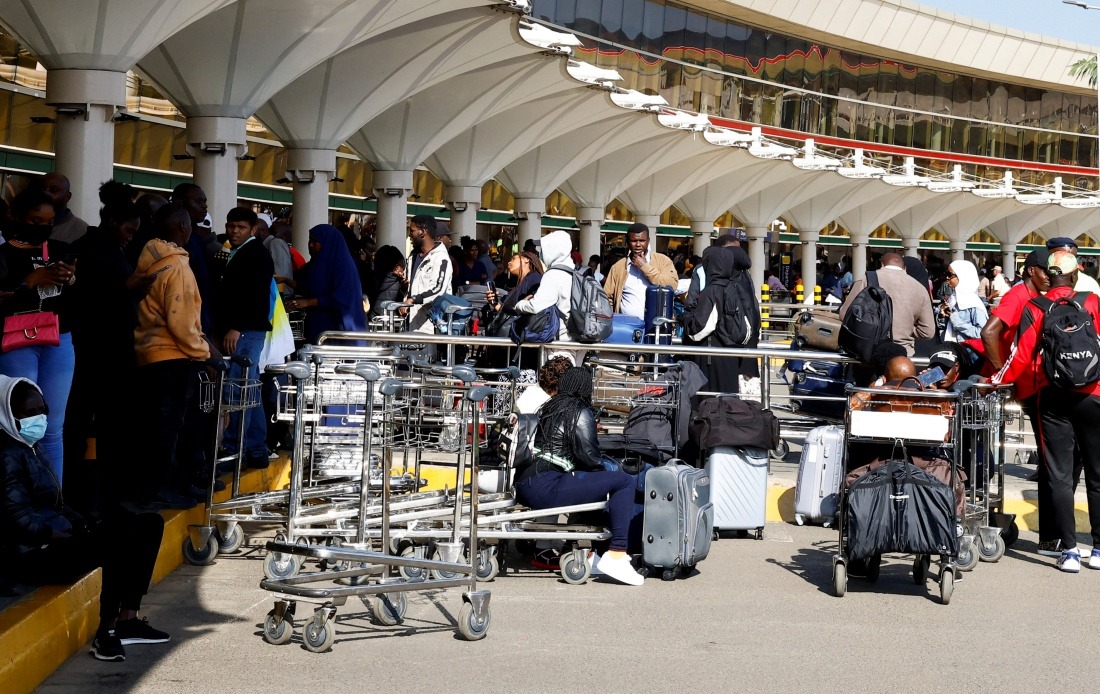
Aviation workers in Kenya have agreed to resume duties after two days of industrial action that triggered widespread flight cancellations, delays and diversions at the country’s main gateway, Jomo Kenyatta International Airport in Nairobi.
The strike, led by the Kenya Aviation Workers Union (KAWU), brought operations at one of Africa’s busiest air transport hubs to a near standstill, leaving hundreds of passengers stranded, some for more than 20 hours. Airport authorities have cautioned that while staff are returning to work, it may take time for flight schedules to fully stabilise. Passengers are being advised to contact their respective airlines for updated information before travelling to the airport.
The breakthrough followed urgent talks overseen by Kenya’s transport ministry. Transport Minister Davies Chirchir said aviation plays a critical role in the country’s economy and assured that the government is committed to maintaining stability in the sector. The ministry confirmed that all parties had agreed to an immediate return to work, alongside further round-table discussions to address outstanding grievances.
The industrial action was sparked by disputes over pay and working conditions. KAWU Secretary General Moss Ndiema had earlier cited the failure of the Kenya Civil Aviation Authority (KCAA) to conclude a long-pending collective bargaining agreement, as well as concerns over delayed union remittances and alleged discrimination. Workers accused the regulator’s management of allowing labour disputes to linger for more than a decade.
Last week, KCAA sought court orders to halt the strike. A labour court judge temporarily suspended the action pending further directions expected next week, but the walkout proceeded, deepening disruptions at the airport and other facilities.
The impact was immediate and far-reaching. Airlines cancelled or rescheduled flights, with some operators suspending services entirely for the day. Premier Airlines, which operates direct flights to Juba, cancelled its Tuesday operations. The Kenya Airline Pilots Association also expressed concern that prolonged disruption could affect crew scheduling and rest periods, potentially increasing fatigue.
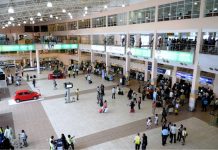
Passengers described chaotic scenes at JKIA. Kenyan traveller Teresa Kamau said she had been at the airport since Monday afternoon awaiting a London-bound flight that was delayed for hours before passengers were asked to disembark and retrieve their luggage. Others, including international travellers, reported sleeping on terminal floors overnight while awaiting updates. A Kenyan student heading to the United Kingdom said he had been unable to return home to wait out the disruption due to the long distance involved.
The airport, which handled about nine million passengers last year, serves as a key regional hub linking East Africa to global destinations. While the agreement to suspend the strike brings relief to stranded travellers and airlines, authorities face the immediate task of clearing backlogs and restoring normal operations after two days of significant disruption.