








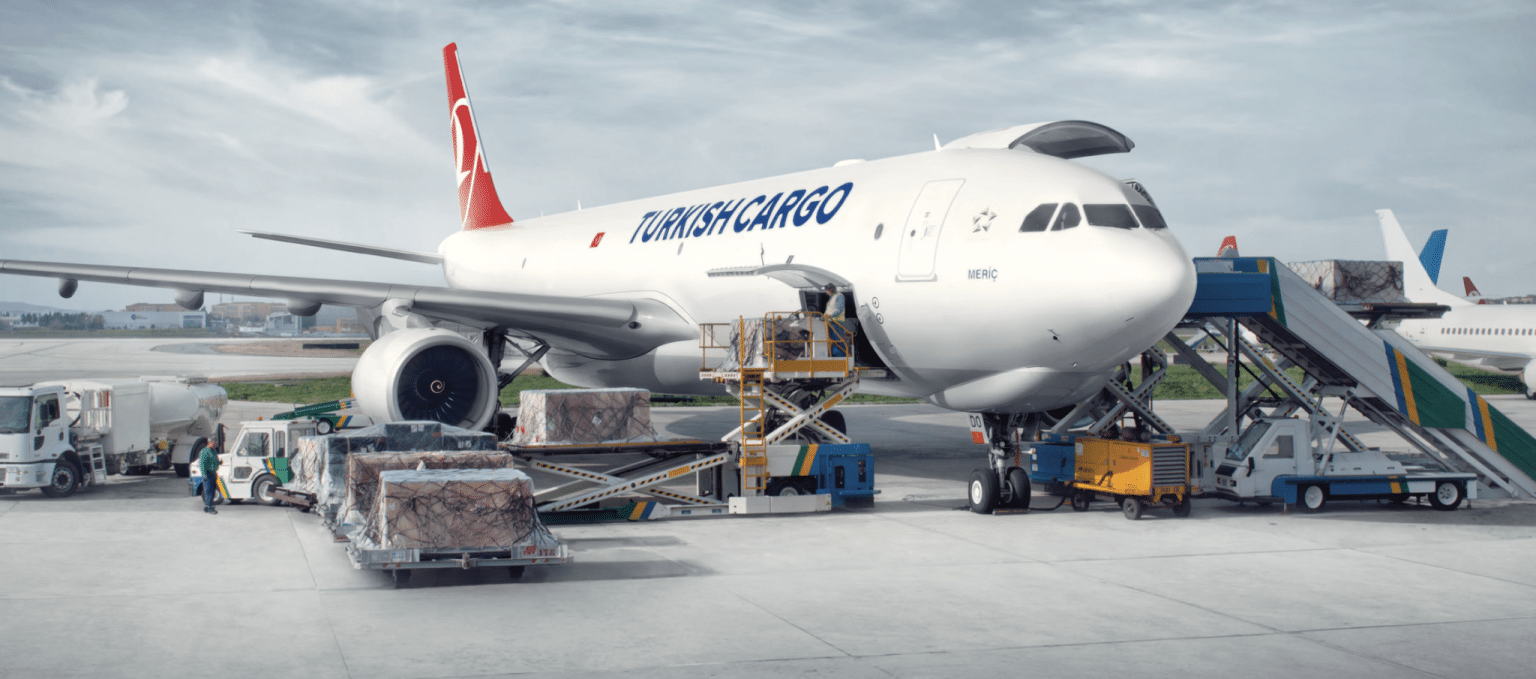
Turkish Airlines recorded significant growth in its cargo and mail operations in January 2026, transporting 178,300 tonnes, an 18.8 percent increase compared to the same period in 2025.
The strong cargo performance formed part of the airline’s consolidated January traffic results, reflecting its expanding footprint in global air freight and logistics. The carrier described cargo as a strategic growth area, playing a vital role in supporting international trade flows and supply chain resilience.
Industry observers note that rising e-commerce volumes, time-sensitive shipments and global supply chain adjustments continue to drive demand for air freight services. Turkish Airlines’ extensive route network and strategic geographic position in Istanbul have strengthened its ability to connect key production and consumption markets efficiently.
The airline’s expanding fleet, which stood at 522 aircraft at the end of January, has also enhanced belly-hold cargo capacity across passenger routes, further supporting freight growth.
While passenger traffic remains a core business segment, the near 19 percent jump in cargo volumes highlights the airline’s diversified revenue base and its growing influence in the competitive global air freight market.
With sustained capacity expansion and continued investments in network development, Turkish Airlines appears well positioned to maintain momentum in both passenger and cargo operations as 2026 progresses.