









Nigerian passengers travelling to destinations across the Middle East have been left stranded following widespread flight cancellations triggered by escalating hostilities involving the United States, Israel and Iran, with the Federal Airports Authority of Nigeria (FAAN) issuing a travel advisory over the disruptions.
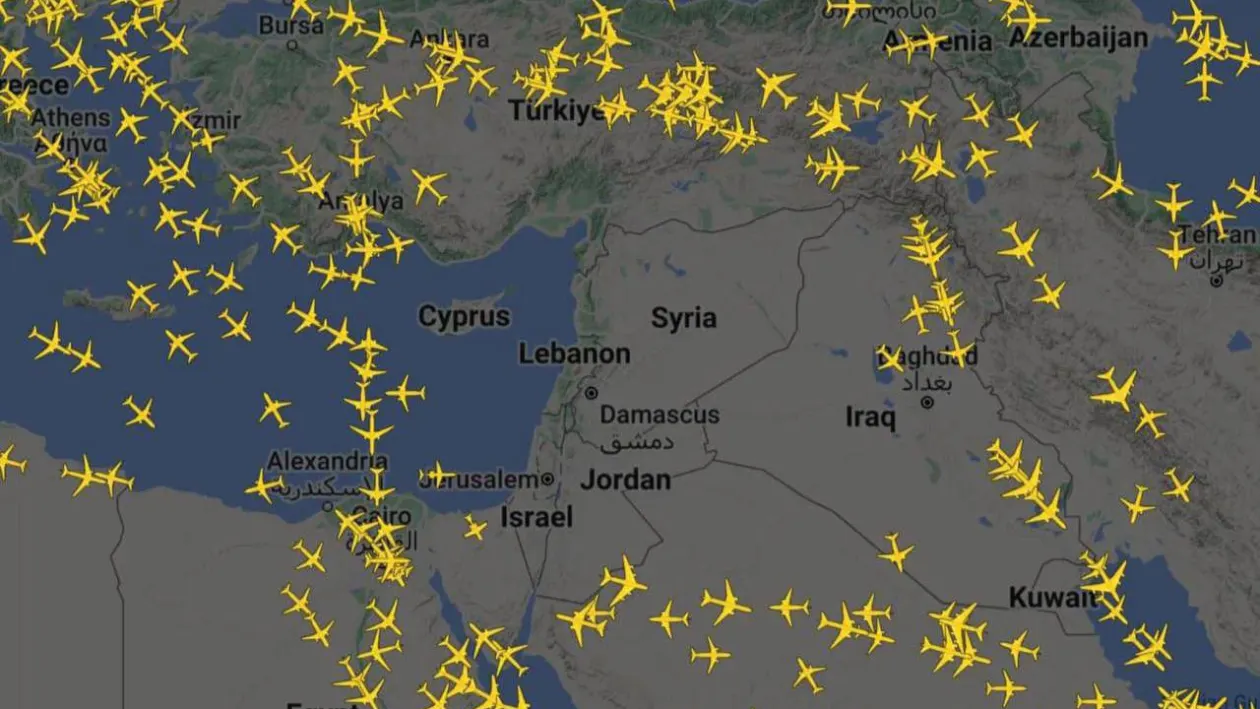
The crisis, which intensified after reported airstrikes on Iran and subsequent retaliatory attacks on US military facilities in parts of Qatar, Kuwait, Bahrain, Jordan and Saudi Arabia, has led to the closure of airspace across large swathes of the region. The restrictions have forced several international airlines, including Air France, Air India, Turkish Airlines, Qatar Airways, Emirates and Lufthansa to suspend, reroute or cancel flights on multiple routes.
Passengers scheduled to depart Nigeria on Qatar Airways services were reportedly prevented from travelling, with some already checked in or seated onboard before being asked to disembark as airspace closures took effect. Flights linking Nigerian airports with destinations such as Qatar, Israel, Iran, Iraq, Syria, Kuwait and the United Arab Emirates have been either cancelled or delayed, disrupting both direct travel and connecting journeys through major Gulf hubs.
Aviation authorities in the region have taken precautionary measures as tensions escalate. Syria reportedly shut portions of its southern airspace along the Israeli border, Jordan conducted defensive air force drills, and Kuwait temporarily closed its airspace after confirming missile interceptions. Russia’s air transport authority also announced a suspension of commercial flights to Israel and Iran until further notice.
The Chairman of the International Airlines Operators Committee, Damilola Ogunyeye, confirmed that airlines operating outbound services from Nigeria had begun cancelling flights in response to the airspace restrictions in affected conflict zones. Air India separately announced a temporary halt to flights to several Middle Eastern destinations, citing the deteriorating security environment.
In its advisory, FAAN warned that the evolving situation is significantly affecting international flight operations to and from Nigeria. The authority urged passengers to contact their airlines directly for up-to-date information on flight status, rebooking options, refunds and alternative travel arrangements, and advised travellers not to proceed to airports without prior confirmation of their flights.
FAAN said it is monitoring developments in collaboration with relevant aviation authorities and airline operators and will provide updates as necessary. The Middle East remains a critical transit corridor for Nigerian travellers heading to Europe, Asia and North America, meaning disruptions at key regional hubs could have ripple effects beyond those travelling directly to the affected countries.
Meanwhile, Nigeria’s Ministry of Foreign Affairs issued a security advisory to citizens residing in Iran and neighbouring Gulf states, urging them to exercise caution, avoid sensitive locations and comply strictly with local security directives as authorities continue to monitor what it described as a volatile and evolving situation.
FAAN expressed regret over the inconvenience caused to passengers and appealed for patience and understanding as airlines adjust operations in response to the unfolding crisis.