










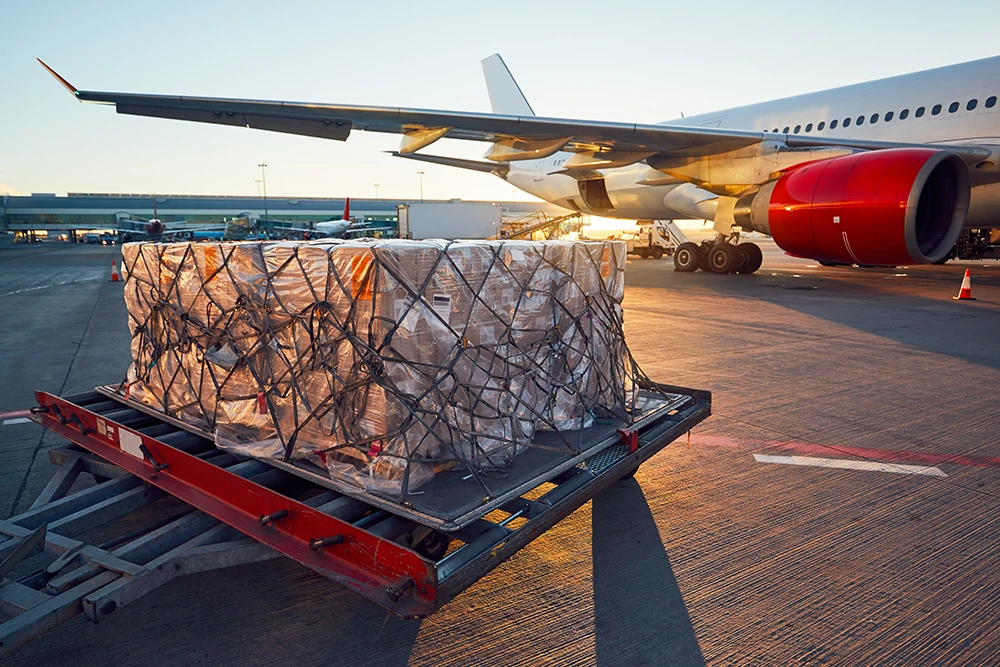
The global air cargo industry closed 2025 with renewed momentum, reinforcing confidence in the sector’s resilience and adaptability amid shifting trade dynamics, according to data released by the International Air Transport Association (IATA).
In December 2025, global air cargo demand rose by 4.3 per cent compared to the same period in 2024, while capacity increased by 4.5 per cent. The solid year-end performance built on steady gains recorded throughout the year and reflected a more balanced supply-demand environment across global markets.
For the full year, air cargo demand increased by 3.4 per cent year-on-year, supported largely by sustained growth in global e-commerce and the strategic front-loading of shipments ahead of new tariff regimes, particularly affecting trade with the United States. Capacity growth of 3.7 per cent kept pace with demand, helping to stabilize yields after the extraordinary volatility seen during and immediately after the COVID-19 period.
IATA noted that although full-year yields declined slightly by 1.5 per cent, this marked the smallest annual drop in three years. Importantly, yields remain more than 37 per cent above 2019 levels, highlighting the structural strength air cargo has retained despite increasing competitive pressures.
Willie Walsh, IATA’s Director General, said the industry demonstrated its ability to respond quickly to changing global trade patterns, adjusting networks and deploying capacity where demand was strongest. He added that while growth is expected to moderate to 2.4 per cent in 2026, in line with historical trends, air cargo will continue to play a critical role in keeping global supply chains moving.
The December improvement, combined with falling jet fuel prices and strengthening manufacturing sentiment, signals a more predictable operating environment for airlines. As geopolitical and trade uncertainties persist, the industry’s performance at the close of 2025 suggests that air cargo remains an indispensable pillar of global commerce, offering flexibility, speed, and reliability when it is needed most.