









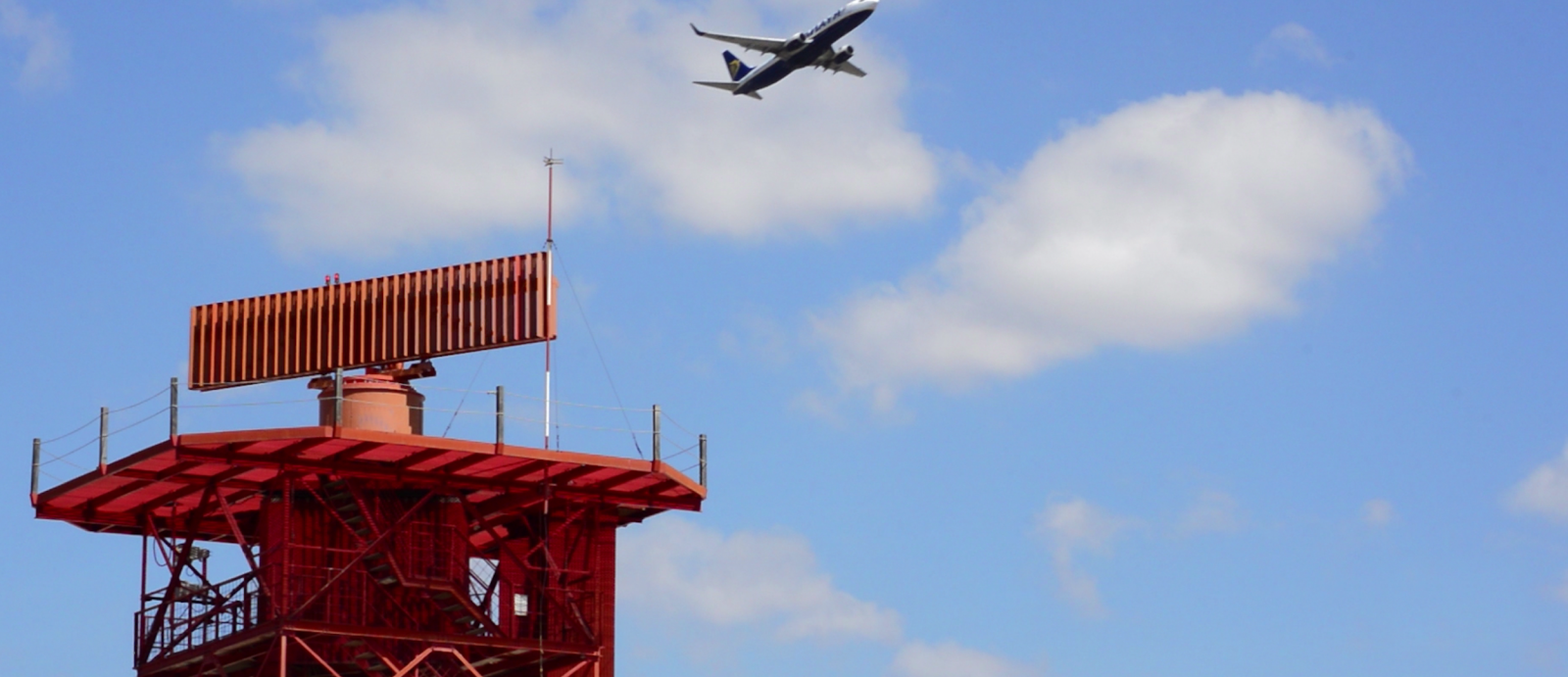
Nigerian Airspace Management Agency has raised alarm over the deteriorating state of the country’s airspace surveillance infrastructure, warning that Nigeria risks losing effective radar coverage due to obsolete equipment and mounting operational challenges.
Managing Director of NAMA, Farouk Umar, disclosed that the Total Radar Coverage of Nigeria (TRACON) system, once the backbone of the nation’s air traffic monitoring, has significantly aged and is increasingly difficult to maintain. He explained that most of the system’s components have become obsolete, with spare parts no longer readily available, while several installations are operating without backup.
The TRACON project, a multibillion-naira initiative deployed between 2008 and 2010 to provide comprehensive radar surveillance across Nigerian airspace, has exceeded its typical 10-year lifespan. According to Umar, the technology began to fall out of global relevance as far back as 2014, when many countries transitioned to more advanced surveillance systems.
He warned that the implications are far-reaching, noting that without reliable radar coverage, maintaining safe aircraft separation becomes more complex, potentially undermining safety and Nigeria’s ability to meet International Civil Aviation Organization standards for air navigation services.
Beyond the technical limitations, Umar highlighted a range of structural and financial constraints affecting the agency’s ability to upgrade critical infrastructure. These include the absence of adequate government funding for safety-critical projects, rising operational costs driven by currency pressures, and a 30 per cent deduction from the agency’s internally generated revenue, which he said is limiting its capacity to meet essential obligations.
He also pointed to longstanding revenue challenges, noting that NAMA has maintained a charge of N11,000 per aircraft movement since 2008, a rate he described as no longer sustainable in the current economic environment. Efforts to review the charges, he added, have consistently faced resistance despite increasing costs associated with maintaining equipment and powering operations.
The agency is further constrained by manpower shortages and limited training opportunities for technical personnel, alongside growing debts owed by airlines and some airport operators, all of which compound the pressure on its operations.
Responding during a visit to the agency, Permanent Secretary of the Ministry of Aviation and Aerospace Development, Mahmoud Adam Kambari, acknowledged the urgency of the situation and reaffirmed the government’s commitment to supporting aviation agencies. He emphasised the need for stronger collaboration, improved staff welfare, and sustained investment in infrastructure to ensure safety and efficiency across the sector.
Kambari also stressed the importance of coordinated leadership and regular engagement among key stakeholders, noting that a unified approach would be critical to addressing systemic challenges and aligning Nigeria’s aviation industry with global standards.