


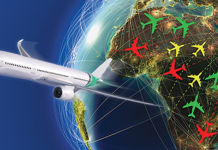






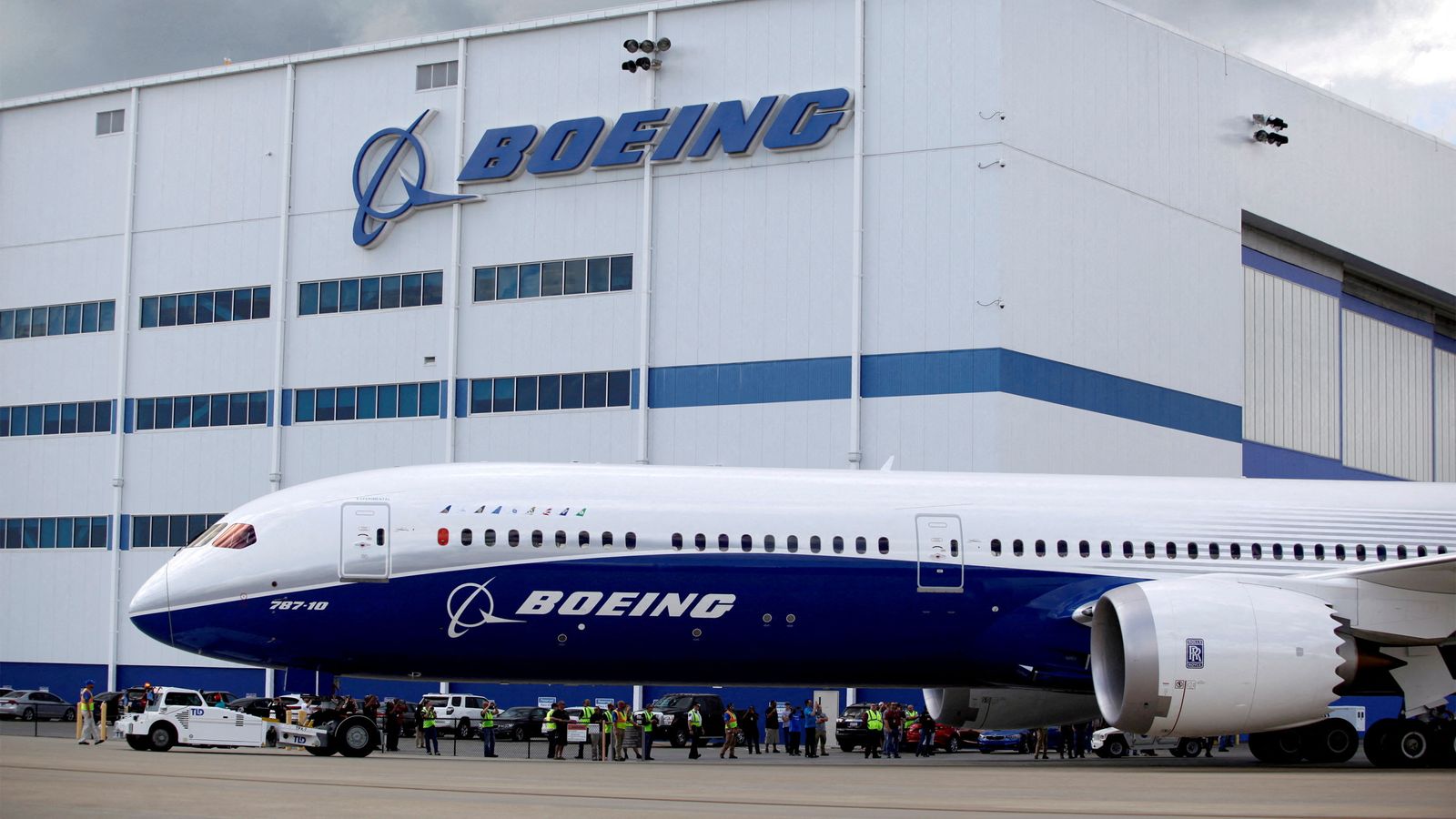
Africa’s passenger air traffic is expected to grow by an average of 6% annually through 2044, supported by a young population, a rapidly expanding middle class, increasing urbanization and rising investments in airports and connectivity, according to Boeing’s 2025 Commercial Market Outlook. To meet this surge in demand, the continent’s commercial fleet is projected to more than double to 1,680 airplanes over the next two decades.
Boeing forecasts that over 1,200 new aircraft will be delivered across Africa by 2044, with single-aisle jets making up about 70% of those additions. This shift will fuel expansion in domestic markets and short-haul international routes, especially as low-cost carriers continue to play a growing role in connecting African cities to each other and to regions such as Europe and the Middle East.
Shahab Matin, Boeing’s managing director for Commercial Marketing in the Middle East and Africa, said aviation remains central to the continent’s economic advancement, enabling more accessible travel and strengthening intra-African connectivity. Fleet modernization and improved accessibility are expected to create new opportunities for airlines, airports and aviation hubs.
The industry’s economic footprint will extend well beyond airline operations. As fleets expand and networks develop, Africa will require significant investment across the aviation ecosystem, along with an estimated 74,000 new personnel—including pilots, technicians and cabin crew—over the next two decades. Boeing’s outlook also anticipates rising demand for services valued at roughly $130 billion, a continued need for widebody aircraft to support long-haul growth, and higher freighter demand driven by Africa’s evolving logistics and export sectors.