










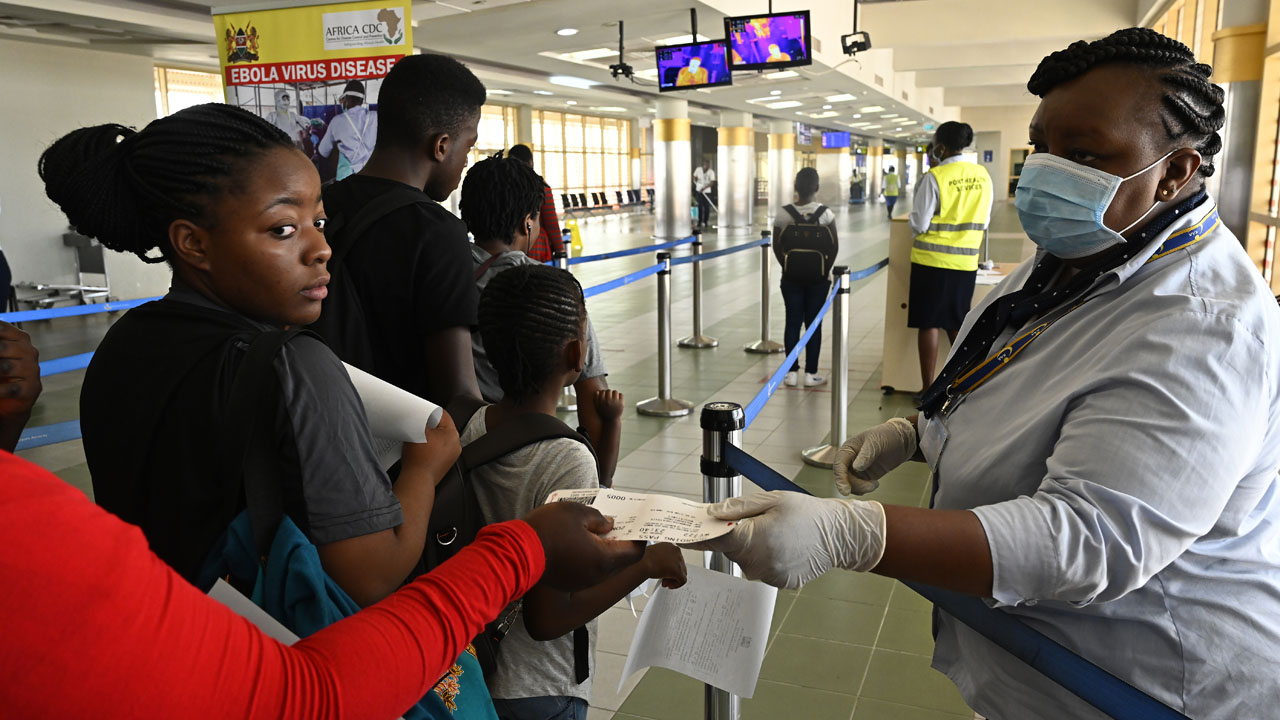
The Federal Airports Authority of Nigeria (FAAN) has heightened vigilance across airport operations following the confirmation of an Ebola virus disease case in the Federal Capital Territory (FCT), reaffirming its commitment to safeguarding passengers, airport workers and the wider public.
The development comes as Nigeria intensifies its public health response following the laboratory confirmation of an imported case of Ebola Bundibugyo virus disease on October 20, 2026. According to the Federal Ministry of Health and Social Welfare and the World Health Organization (WHO), the patient is a woman who recently travelled to Nigeria from Uganda. She is currently in isolation and receiving medical care at a private hospital in Abuja.
FAAN said it is working closely with the Nigeria Centre for Disease Control and Prevention (NCDC), Port Health Services, the Nigerian Civil Aviation Authority (NCAA) and other relevant agencies to support containment efforts and strengthen surveillance across the country’s airports.
The confirmation of the case follows the onset of symptoms on October 7 and the patient’s admission to a private health facility on October 11. Health authorities confirmed the infection through laboratory testing on October 20 and commenced contact tracing, with 44 contacts identified for monitoring. Investigations are ongoing to establish the likely source of infection and reconstruct the patient’s travel and exposure history.
The case has heightened attention on Nigeria’s airport health surveillance systems, particularly as international travel and regional movement continue to present challenges for the early detection of infectious diseases. In May 2026, the NCDC had already warned of a high risk of Ebola importation into Nigeria amid an outbreak of the Bundibugyo strain in the Democratic Republic of the Congo and Uganda, prompting increased preparedness and surveillance at the country’s points of entry.
FAAN said it would continue to coordinate with public health authorities, follow official guidance and support additional measures considered necessary to protect travellers and airport personnel. The authority also stressed the importance of inter-agency collaboration in identifying potential health threats and responding promptly to emerging risks.
Passengers, airlines, airport users and other stakeholders have been urged to remain calm, cooperate with health officials and rely on verified information from recognised public health authorities rather than circulate unconfirmed reports.
Nigeria’s latest case underscores the importance of sustained vigilance at international gateways, where timely detection, effective coordination and adherence to established health protocols remain essential to limiting the potential spread of infectious diseases while maintaining safe airport operations.