










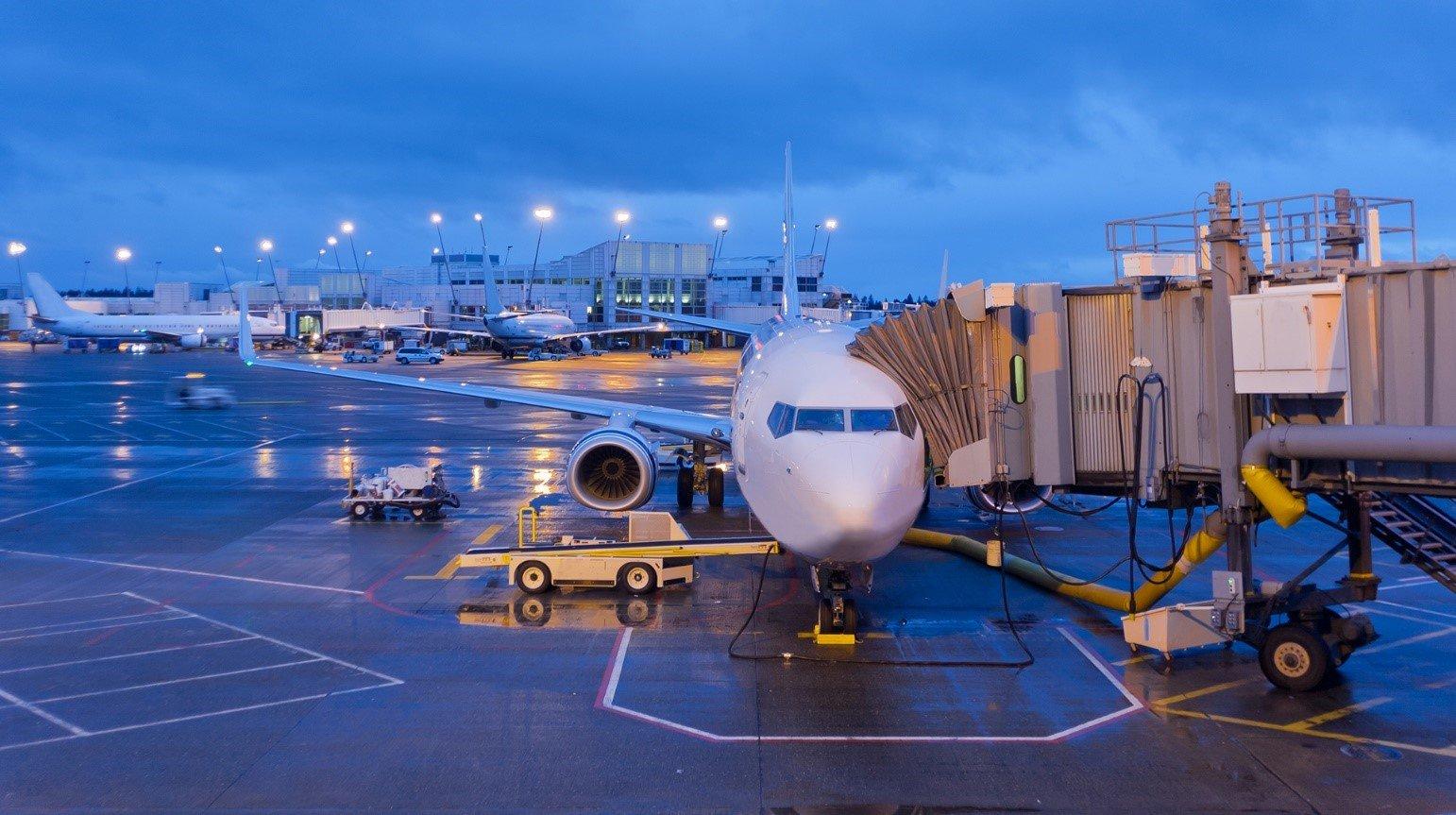
International Air Transport Association has called for stronger implementation of global standards, wider adoption of modern ground support equipment, and accelerated digitalization to improve safety, efficiency, sustainability, and resilience in global ground handling operations.
The call was made at the 38th IATA Ground Handling Conference held in Cairo and hosted by EgyptAir, where industry leaders gathered to address operational challenges affecting airport ground services worldwide.
IATA’s Director of Ground Operations, Monika Mejstrikova, said while ground handling activities often remain unnoticed by passengers, disruptions such as delayed baggage, loading errors, damaged aircraft, and turnaround delays can create significant ripple effects across airline networks.
According to her, stronger compliance with industry standards, smarter equipment, and improved digital systems remain essential to making ground operations safer and more resilient.
IATA revealed that the industry recorded no fatal ground handling accidents and only one serious injury across nearly 40 million flights in 2025, describing the result as evidence of progress in operational safety. However, the association stressed that greater adoption of global standards such as the IATA Ground Operations Manual and the Airport Handling Manual remains critical.
The organisation noted that its Operational Portal is now used by more than 1,000 registered users, including 280 airlines and over 700 ground handling accounts. In 2025 alone, 582 organisations shared their adoption rates for the Ground Operations Manual, while more than 500 organisations reported alignment with Airport Handling Manual training requirements.
IATA also urged operators to reduce unnecessary procedural variations, noting that more than 40 per cent of organisations that submitted gap analyses reported no operational variations. The association disclosed that an average of 32 variations per audit report were recorded in 2025, representing about eight per cent of total procedures, mainly involving aircraft arrival operations.
To strengthen operational oversight, nearly 300 audits were conducted this year under the revamped IATA Safety Audit for Ground Operations programme. The audit framework currently supports more than 230 ground handling service providers across 441 accredited stations at over 250 airports globally, with more than 200 airlines relying on its audit reports.
On equipment modernization, IATA warned that aircraft ground damage remains one of the industry’s most persistent operational and financial risks, with more than 29,000 ground damage incidents reported in 2025 alone.
Mejstrikova said the industry must accelerate the transition to enhanced ground support equipment fitted with anti-collision technology while also expanding the use of electric-powered equipment to reduce operational emissions.
Since launching the Enhanced Ground Support Equipment Recognition Programme in 2024, IATA said it has received more than 450 applications, validated 187 stations, and recognised 75 stations for reducing operational risks through safer equipment deployment.
The association also highlighted the environmental benefits of electric ground support equipment, noting that the technology can reduce turnaround emissions by between 35 and 52 per cent depending on the energy source and equipment mix used at airports.
IATA further identified fragmented data systems, manual processes, and delayed information sharing as major barriers to safer and more efficient ground handling operations.
The association said improved digital systems could significantly reduce baggage mishandling, aircraft loading errors, and operational delays. To address this, IATA recently introduced its Baggage Community System, designed to connect airlines, airports, and ground handlers through a unified platform that enables real-time information sharing throughout the baggage journey.
On aircraft loading, IATA disclosed that nearly 38,000 loading errors were reported in 2025. The organisation said the new X565 data standard is helping modernise how loading information is exchanged by replacing manual processes with faster and more accurate digital workflows.
According to IATA, aircraft manufacturers including Boeing and Airbus are already supporting implementation of the standard across multiple aircraft families, while airlines using digital load control systems are reporting reductions in loading errors of more than 90 per cent alongside fewer operational delays.
IATA also highlighted progress in de-icing and anti-icing operations through enhanced data-sharing systems that allow airlines to identify operational hazards earlier and improve safety oversight across airport stations worldwide.