










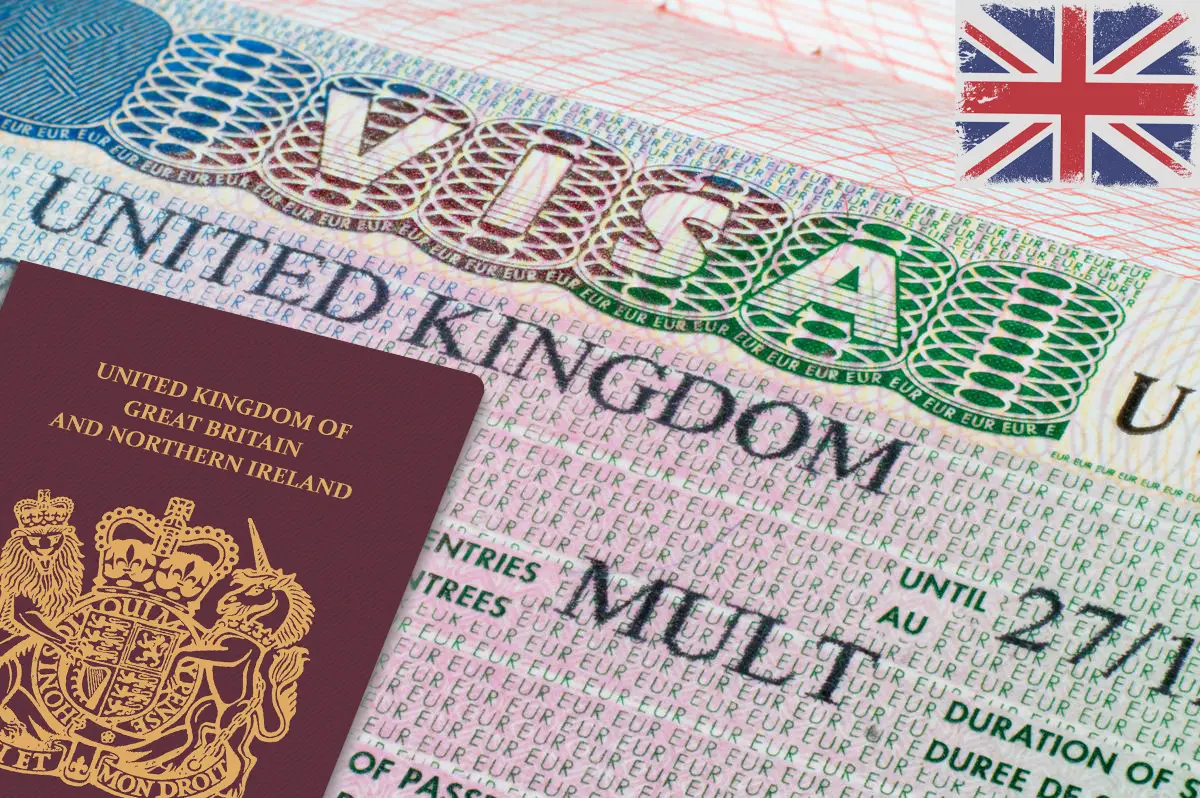
The UK Home Office has announced a fresh increase in immigration and nationality fees, with the new charges set to take effect from April 8, 2026, in a move expected to impact individuals, students and businesses relying on international mobility.
Under the revised structure, most visa, settlement and sponsorship fees will rise by between six and seven per cent, covering key routes such as work, study and short-term visits. The government described the adjustment as a response to inflation and part of efforts to ensure that the immigration system remains financially sustainable, placing more of the cost burden on applicants and sponsoring organisations.
The changes will see the cost of a Skilled Worker visa for up to three years increase from £769 to £819, while applications for longer stays will rise to £1,618. For those already in the UK, extending a Skilled Worker visa will also become more expensive, climbing to £943 for shorter durations and £1,865 for longer stays. Student visa fees will increase from £524 to £558, while a standard six-month visitor visa will now cost £135, up from £127.
One of the most significant increases affects settlement applications, with the fee for Indefinite Leave to Remain rising from £3,029 to £3,226, further raising the long-term cost of living and working in the UK. The Electronic Travel Authorisation fee will also increase from £16 to £20, adding to the cumulative cost of entry for short-term visitors.
Employers are also facing higher costs, as sponsor licence fees rise to £1,682 for large organisations and £611 for smaller entities. These increases are expected to affect recruitment strategies, particularly for companies that rely on foreign talent to fill skills gaps.
Business groups and mobility experts warn that while each fee adjustment may appear modest in isolation, the cumulative effect is becoming significant, potentially making the UK a less competitive destination for international talent. For employers, the rising cost of visas, compliance and settlement may require a reassessment of hiring budgets, relocation support and retention strategies.
The latest increase continues a broader policy trend of shifting immigration costs away from the state and onto users of the system, a direction that has already seen multiple hikes in recent years. As fees continue to climb, concerns are growing over affordability for both individuals seeking opportunities in the UK and organisations competing globally for skilled workers.