





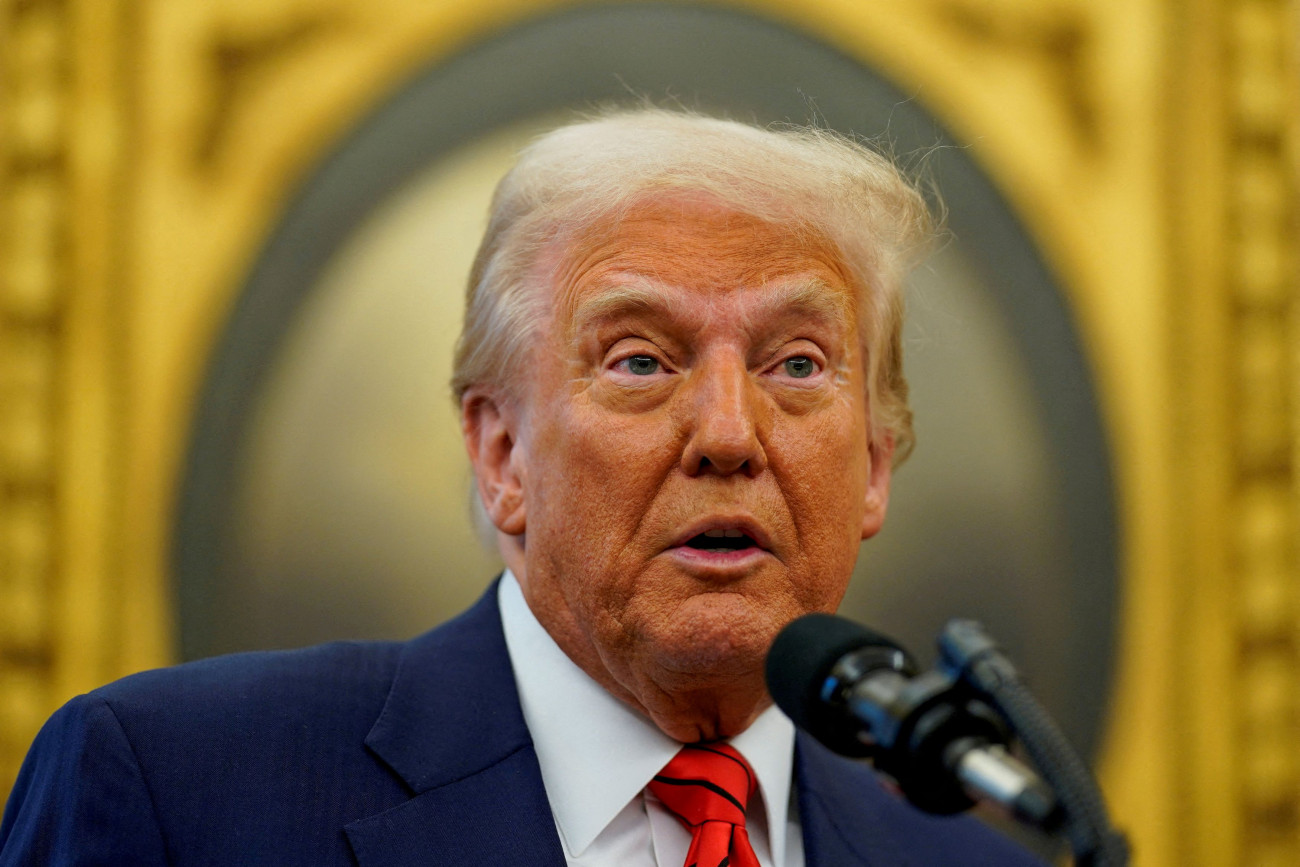
The United States has expanded its travel and immigration restrictions, with Nigeria among 39 countries now subject to full or partial entry limits following a new proclamation approved by President Donald Trump.
Under the latest measures, Nigerians face partial restrictions affecting selected immigrant and non-immigrant visa categories. A White House fact sheet released on Tuesday said Nigeria recorded a B-1/B-2 business and tourist visa overstay rate of 5.56 per cent, alongside an 11.90 per cent overstay rate for student, vocational and exchange visitor visas. U.S. officials said these figures, combined with security concerns linked to extremist violence in parts of the country, informed the decision.
The expanded proclamation more than doubles the number of affected countries from the 19 listed in June to 39. Seven countries were added to the full suspension list: Burkina Faso, Mali, Niger, Laos, Sierra Leone, South Sudan and Syria. Another 15 countries, including Nigeria, Angola, Antigua and Barbuda, Benin, Côte d’Ivoire, Dominica, Gabon, Gambia, Malawi, Mauritania, Senegal, Tanzania, Tonga, Zambia and Zimbabwe, were placed under partial restrictions.
According to U.S. data, several African countries recorded significantly higher overstay rates than Nigeria. Sierra Leone, which moved from partial to full suspension, posted a 16.48 per cent B-1/B-2 overstay rate and a 35.83 per cent rate for student and exchange visitors, alongside a history of failing to accept nationals ordered removed from the U.S. Burkina Faso recorded a 9.16 per cent B-1/B-2 overstay rate and 22.95 per cent for students and exchange visitors, with authorities citing persistent terrorist activity and non-cooperation on repatriation.
Niger’s overstay rates were listed at 13.41 per cent for business and tourist visas and 16.46 per cent for students and exchange visitors, while Mali was cited for similar security and compliance concerns. South Sudan recorded a 6.99 per cent overstay rate for B-1/B-2 visas and a much higher 26.09 per cent rate for F, M and J visas, alongside long-standing refusal to receive deported nationals.
Among countries placed under partial suspension with Nigeria, Angola recorded overstay rates of 14.43 per cent for B-1/B-2 visas and 21.92 per cent for students and exchange visitors. Benin’s figures stood at 12.34 per cent and 36.77 per cent respectively, while The Gambia recorded 12.70 per cent and 38.79 per cent, one of the highest student overstay rates cited. Malawi posted 22.45 per cent for business and tourist visas and 31.99 per cent for students, Zambia recorded 10.73 per cent and 21.02 per cent, and Zimbabwe 7.89 per cent and 15.15 per cent.
Outside Africa, Laos was placed under full suspension with a B-1/B-2 overstay rate of 28.34 per cent and an 11.41 per cent rate for students and exchange visitors. Antigua and Barbuda and Dominica were cited primarily for operating citizenship-by-investment programmes without residency requirements, which U.S. officials said complicate identity verification and could be used to bypass restrictions.
The White House said the measures are country-specific and reversible, aimed at encouraging governments to improve information sharing, strengthen civil documentation systems and reduce visa overstay rates. Exemptions remain for lawful permanent U.S. residents, existing visa holders, diplomats, athletes participating in major events such as the FIFA World Cup, and individuals whose entry serves U.S. national interests, with case-by-case waivers also provided. However, the new proclamation removed an earlier exemption for spouses, children and parents of U.S. citizens applying for visas on their behalf.
President Trump said the expanded restrictions build on policies introduced during his first term and upheld by the U.S. Supreme Court, arguing that high overstay rates, weak vetting systems and limited cooperation from some foreign governments place a heavy burden on U.S. enforcement resources. The administration said countries that show sustained improvements could see the restrictions reviewed and potentially eased in future assessments.